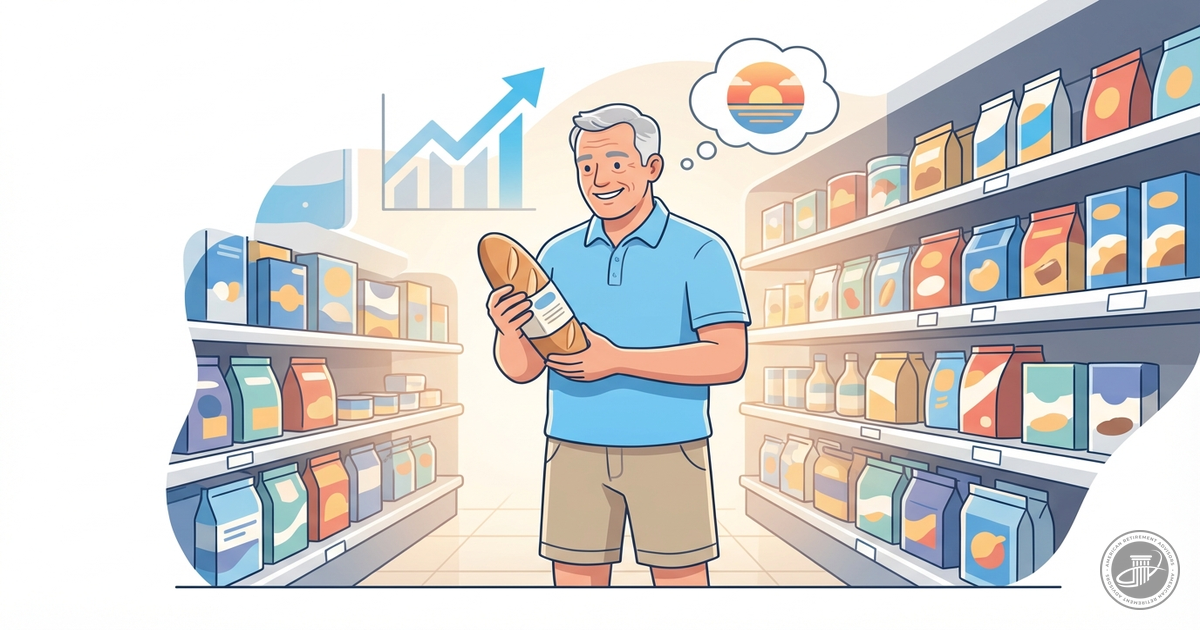
My wife and I laughed the other day as I complained about the cost of everything at the grocery store. Then, as I was unloading the bags and putting stuff away, I made some references to what things used to cost when I was a kid. As you can imagine, it earned me a snarky reply where she made fun of me for sounding like an "old fart." "Yeah, and you forgot to mention how you had to walk 10 miles in the snow barefoot to school every day too!" Yep, she managed to make me laugh at myself too.
Honestly, grocery shopping made me reflect on the cost of things back in the 1950s and '60s. As kids, we could get two full-sized candy bars for a nickel and a Dr. Pepper out of the old-fashioned cooler for the same price. Our mom would hand us each fifty cents and take us to McDonald's as a treat. We would feast like Kings! (The milkshake was twenty cents, and hamburgers were fifteen cents.)
Shrinking Packages, Growing Choices
I also noticed...cartons of almost everything are getting smaller and costing more. Have you noticed that half-gallon cartons of ice cream aren't half a gallon anymore? And the ounces in cans and boxes seemed to have shrunk as well. Alternatively, the bread aisle has actually exploded with variety! As a kid, you used a slice of bread for a hotdog or hamburger bun, toast, sandwich, French toast, and cinnamon toast, and it all came from the same loaf! Now there is specialty bread for just about everything! Potato bread, gluten-free, and breads with unique flavors baked right in. And all kinds of stuff we didn't have, like bagels, pita, tortillas, etc. The packages might have gotten smaller, but with marketing, you have more bread choices depending on your appetite, so you buy different loaves instead of one loaf for everything.
Wait...was I grocery rambling? Well, enough of that. I'm just going to the backyard with something cold to drink, jump in the pool, and enjoy my month of June. Of course, not before I decide which bread to choose for my sandwich...
By David Edge
David Edge is a retirement lifestyle writer and contributor to the ARA monthly newsletter. His articles blend personal stories with practical insights on living well in retirement.
You Might Also Like
- Why Am I Me? How Adventures Shape Who We Become
Lifestyle & Mindset · David S. Edge - Where's Cupid? A Valentine's Memory About Love and Romance
Lifestyle & Mindset · David S. Edge - Why Am I Me? When Radio Was King - How Information Sources Shape Us
Lifestyle & Mindset · David S. Edge
Easy Eddie's Take
David's grocery store observations really hit home for retirees who remember when a dollar went a lot further. Here's the thing about inflation and retirement planning: what we're seeing at the grocery store is exactly why financial advisors recommend that your retirement portfolio accounts for an average inflation rate of 2-3% per year through 2026 and beyond. The Bureau of Labor Statistics tracks these changes through the Consumer Price Index, and food costs have been one of the biggest drivers of inflation impact on fixed incomes.
A lot of people ask me, "How do I make sure my retirement income keeps up with rising costs?" The good news is there are several strategies that can help. Social Security benefits include annual Cost of Living Adjustments (COLA) based on inflation data, and for 2026, retirees are seeing meaningful increases. If you have Traditional IRAs or 401k accounts, your Required Minimum Distributions starting at age 73 can be strategically timed, and Roth IRA conversions during lower-income years can help create tax-free growth that outpaces inflation over time.
The key is building what we call "inflation-protected retirement income" using a mix of Social Security optimization, Treasury Inflation-Protected Securities (TIPS), and growth investments that historically outpace grocery store price increases. A little preparation today can make those future shopping trips a lot less stressful.