Did you know that Vitamin D alone isn't enough to keep your bones strong and your body working like a well-oiled machine? That's right! Vitamin D helps your body absorb calcium, but it needs a little backup to really shine. Magnesium is the spark plug that activates Vitamin D, while Vitamin K2 makes sure that calcium goes where it belongs—into your bones, not your arteries.
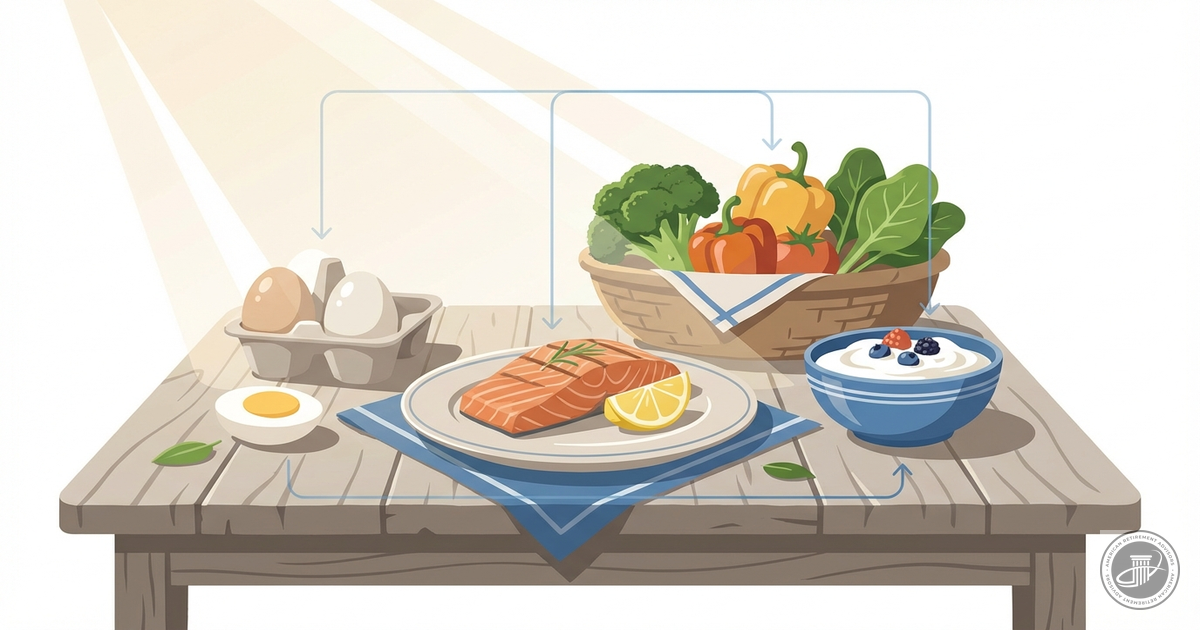
Now, if you're trying to pack in the protein (say 30 grams per meal), there are some healthy go-to foods that make it easy: 5 eggs, 3.5 oz of turkey or chicken breast, a juicy 4 oz filet mignon or 5 oz ribeye, 5.2 oz of salmon, or 10 oz of Greek yogurt or cottage cheese.
And don't let the egg myths crack your confidence! According to Mayo Clinic's Dr. Francisco Lopez-Jimenez, eggs are a high-quality protein and don't raise cholesterol the way trans or saturated fats do. Just steer clear of frying them in bacon grease—and if you're watching cholesterol, stick to egg whites.
Remember, eggs also boost your mood and keep you full longer—great for the brain and the waistline.
Let's make staying healthy 123Easy!
By Sharon Groves
Sharon Groves covers health, wellness, and lifestyle topics for the ARA newsletter, helping readers make informed decisions about their wellbeing in retirement.
You Might Also Like
- Colorful Foods = Better Health for Retirees
Lifestyle & Mindset · Sharon Groves - Awe...Nuts! The Health Benefits of Peanut Butter
Lifestyle & Mindset · Sharon Groves - Gut Rut? How Your Diet Affects Digestive Health in Retirement
Lifestyle & Mindset · Sharon Groves
Easy Eddie's Take
Sharon's absolutely right about the Vitamin D team approach, and here's why this matters so much for folks over 60. As we age, our bodies don't absorb nutrients as efficiently, which is why the National Institute on Aging recommends adults over 70 get 800 IU of Vitamin D daily—that's higher than younger adults need. Most people are surprised when they learn this, but your body's ability to make Vitamin D from sunlight drops by about 75% between age 20 and 70.
One question that comes up all the time is "how much protein do seniors really need per day?" The Academy of Nutrition and Dietetics suggests 1.2 grams per kilogram of body weight for healthy older adults—that's about 25-30% more than the standard recommendation. So if you weigh 150 pounds, you'd want around 82 grams of protein daily, spread across your meals just like Sharon described. The good news is that combining quality protein with Vitamin D actually helps your muscles use that protein more effectively.
Think of it this way: strong bones and strong muscles work together to keep you steady on your feet and independent longer. A little attention to both protein and the Vitamin D dream team today can make a big difference in how you feel tomorrow.