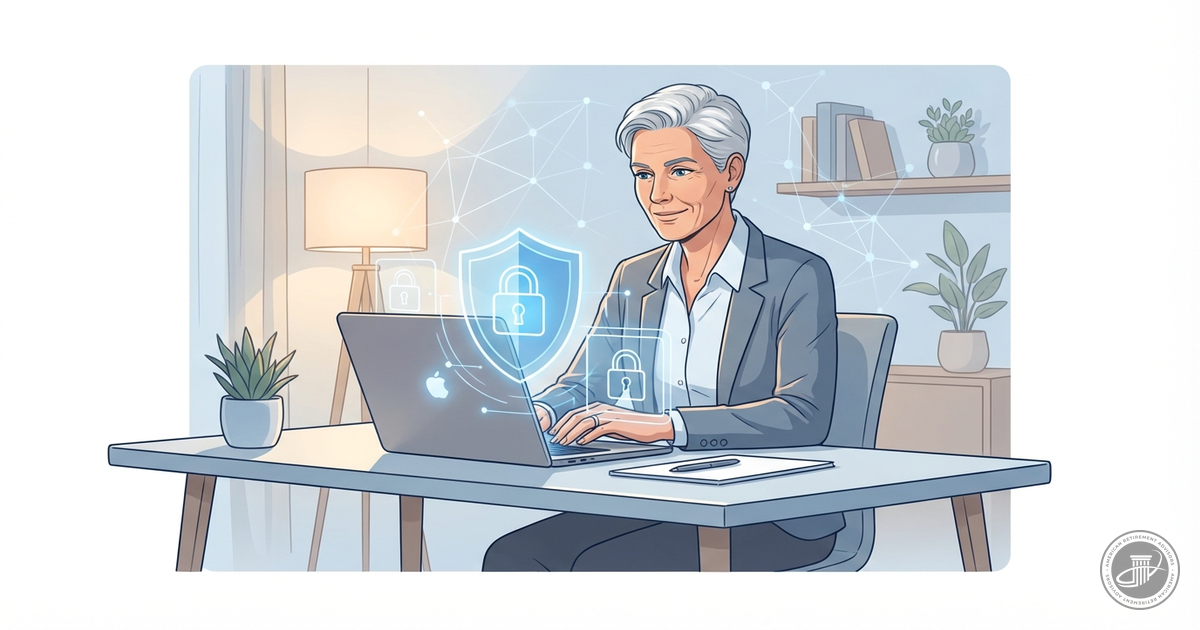
We all cherish memories of a different time when weekends were for family; a little baseball, some apple pie with a dollop of ice cream, or an ice-cold Coke could brighten any day. But today, we face challenges and threats our grandparents could not even dream of, staring into a digital world that is far beyond even the most outlandish sci-fi TV.
With all this new technology, and AI galore, we've been reminded that with convenience comes a cost, and sometimes, that means putting our personal information at risk.
A significant data breach has left countless people wondering how to protect their identities and financial wellbeing. While we might not be able to stop hackers from attempting to steal our data, there are crucial steps we can take to minimize the damage they can cause.
First and foremost, consider locking your credit reports with the three major credit bureaus: Experian, TransUnion, and Equifax. This simple and free action can prevent anyone from opening new accounts in your name, giving you confidence that your credit won't be easily compromised.
Additionally, stay informed and vigilant. Regularly monitor your bank statements and credit reports for any suspicious activity. Sign up for alerts from your financial institutions and consider using services that offer identity theft protection.
We may not be able to bring back the days of Walter Cronkite delivering the evening news with calm authority, but we can take steps to protect ourselves in this new digital age. At American Retirement Advisors, we remain vigilant in protecting your information and your wallet. Be careful who you trust to do your research, and don't miss our email—let us help ensure you're making the best choices for your future.
Stay safe, stay informed, and we'll get through this together.
By David Schaeffer
Founder of American Retirement Advisors, David has spent decades helping retirees and pre-retirees build secure financial futures. His straightforward approach to retirement planning has guided hundreds of families toward confident, well-prepared retirements.
You Might Also Like
- Here to Help: Why Personal Service Still Matters in Retirement Planning
Lifestyle & Mindset · David P. Schaeffer - I Want It Now! How Technology Changed How We Learn About Retirement
Lifestyle & Mindset · David P. Schaeffer - It's a Matter of Perspective: How Life Experiences Shape Our View
Lifestyle & Mindset · David P. Schaeffer
Easy Eddie's Take
David's right about those credit freezes being your first line of defense, and here's the good news—it's actually easier than it sounds. You can freeze and unfreeze your credit reports online with Experian, TransUnion, and Equifax anytime you need to, and it's completely free thanks to federal law changes. Most people are surprised when they learn this doesn't hurt your credit score at all.
One question that comes up all the time is whether freezing your credit affects existing accounts or Social Security benefits. It doesn't—you can still use your current credit cards, and the Social Security Administration can still process your benefits just fine. A freeze only stops new accounts from being opened in your name.
Think of it this way: if someone steals your information from a data breach, they can't walk into a bank or apply online for a new credit card without you unfreezing your credit first. That extra step gives you control over when and where new credit gets opened. A little preparation today can make a big difference tomorrow.