This month's article comes to you from Florida, where my wife and I recently experienced the loss of a family member. We were fortunate to arrive a few days before their passing, which gave us some time to see our family members say goodbye and prepare. This experience has highlighted the importance of planning for the inevitable.
Although they had purchased burial plots, they hadn't made any other arrangements by age 84. My wife and I found ourselves in the position of selecting a funeral services company, choosing a casket, scheduling grave diggers, and organizing all the necessary details and payments. Family and friends traveled from across the country, bringing an abundance of food to the house. As we are Jewish, this period involved sitting Shiva, which means hosting many people and services at home each night.
The Reality of Unfinished Business
They had always managed the finances and bill payments, leaving the spouse unsure of what needed to be paid, when, or how. We had to locate military discharge paperwork to arrange for military honors and other benefits, which we luckily found in the safety deposit box. Fortunately, I had enough information to access their accounts. So, I took on the task of sorting through their finances and setting up online accounts for banking and bill payments, as they had always used checks.
Why am I sharing this with you? To emphasize the importance of getting your affairs in order for your loved ones. No matter how prepared you are, you don't realize the spectrum of duties your family needs to engage in. And all while grieving.
Taking Action Now
At 60 years old, I have a living trust, and yes, it's funded, but I still need to organize everything for our adult children to save them from searching for documents. In the coming months, my wife and I plan to purchase Long-Term Care insurance, choose burial plots, pre-arrange other funeral details, and create an organized system for all our important information.
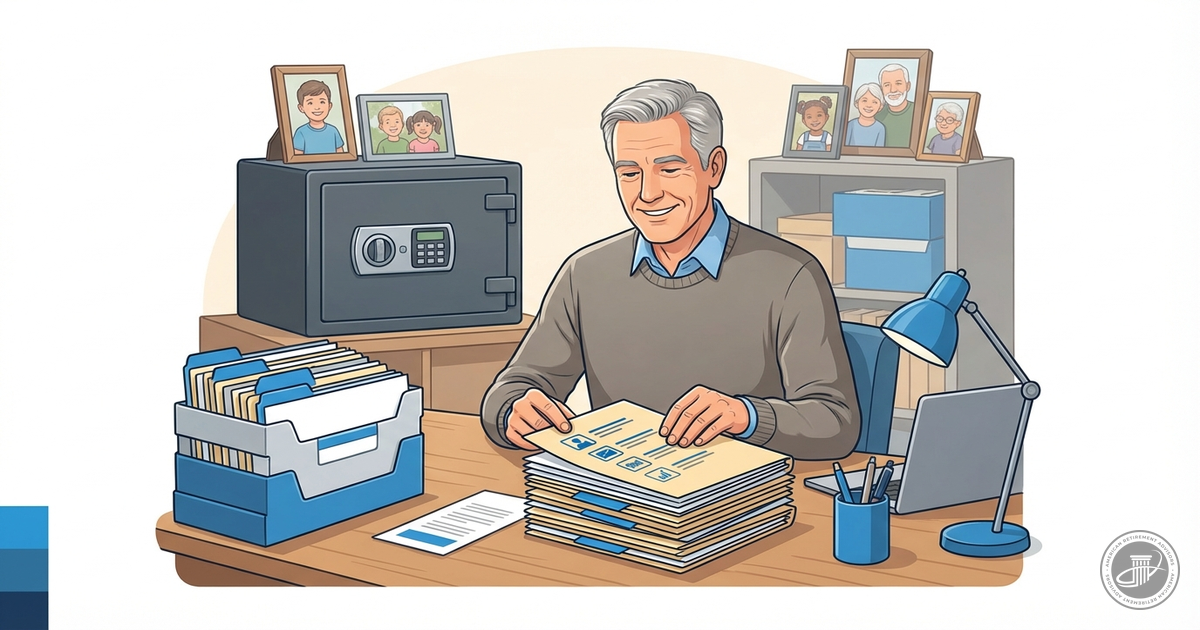
Consider creating a fireproof box or secure filing system containing all the essential information your beneficiaries will need. Make it neatly organized, making it easy for them and you to access and manage. Everything should be detailed and ready, so when the time comes, your children simply need to show up. All necessary documents should be at their fingertips.
Let's not add to our loved ones' grief by leaving our affairs in disarray. Take the next step now to prepare for your legacy.
Also, if you're interested in learning more about Long Term Care insurance, we can assist with that too. I've been helping people with this for over 38 years. Your advisor at American Retirement Advisors is also well-versed. I had planned to wait until I turned 65, but now, I'm not waiting any longer.
By Marc Frye
Marc Frye provides financial analysis and market commentary for the ARA newsletter, translating complex economic trends into actionable insights for retirees.
You Might Also Like
- Some Things Are Certain: Preparing Your Affairs Before Death
Estate Planning · David P. Schaeffer - The Unexpected: We Didn't Know Where to Start After Dad's Passing
Estate Planning · Loraleigh Drummond - Maggie & Jim's Rough Waters: Why Document Organization Can't Wait
Estate Planning · Loraleigh Drummond
Easy Eddie's Take
Marc's story really hits home because this happens to families every day. Most people are surprised when they learn that even with a will and trust in place, there are still dozens of practical details that can overwhelm grieving family members. The good news is that a little organization now can save your loved ones hours of detective work later.
Here's what I recommend keeping in that fireproof box or secure file: copies of your Social Security card, Medicare cards, military discharge papers (DD-214), insurance policies, bank account information, investment account statements, and a simple list of monthly bills with account numbers and passwords. Don't forget to include contact information for your attorney, accountant, and financial advisor. For 2026, if you're over 73, make sure your Required Minimum Distribution information is clearly documented too.
One question that comes up all the time is whether to prepay funeral expenses. While it's not required, it can remove a major financial burden from your family during an already difficult time. And Marc's right about Long-Term Care insurance - the sweet spot for applying is typically between ages 55-65 when you're still healthy enough to qualify for good rates. Once you see how much easier organized planning makes everything, it's actually pretty reassuring.