Yesterday we ran the numbers on discount plans and dental insurance. But a plan isn't the only way to pay less for dental care. Some of the best options in the Phoenix area and Las Vegas aren't plans at all.
Where should you start?
With your own dentist. Many offer a cash discount, or an in-office membership plan that covers routine care for a yearly fee. It's one phone call, and it's the easiest place to begin.
What about dental schools?
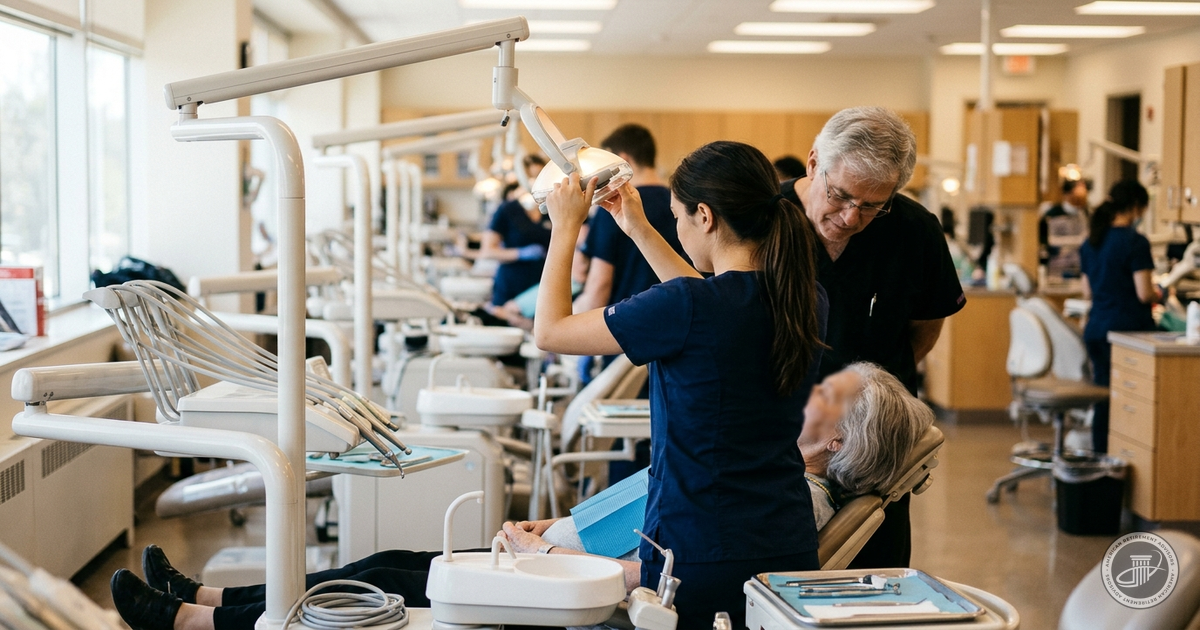
At dental schools and dental hygiene programs, students do the work and faculty check every step. Care usually costs less, and appointments run long. Most start with a screening to see whether they can take your case.
Our guide lists these, with addresses, phone numbers and what each one offers:
- Phoenix area dental schools: Midwestern University Dental Institute in Glendale, and A.T. Still University's Arizona School of Dentistry and Oral Health in Mesa.
- Phoenix area hygiene clinics (cleanings and preventive care): Carrington College in Mesa, Rio Salado College in Tempe, Phoenix College in Phoenix, and an evening clinic run by Mesa Community College.
- Las Vegas: the UNLV School of Dental Medicine, and the College of Southern Nevada Dental Faculty Practice.
Hours change by semester, so call before you go.
What are community health centers?
Federally funded health centers offer dental care to patients whether or not they have insurance, with fees on a sliding scale based on income. You can find one near you at findahealthcenter.hrsa.gov.
Volunteer dental events also offer care at no cost for a day or two at a time, first come, first served. Phoenix hosts them most years.
What if you have Medicaid?
If you have full Medicaid as well as Medicare, your state may cover some adult dental care. In Arizona that's AHCCCS, and in Nevada it's Nevada Medicaid. What's covered and the yearly limits are different in each state, and the guide walks through both. Help from a Medicare Savings Program alone doesn't include dental.
What should you ask before you book?
- Know what's included. Some programs cover only cleanings. Others do crowns, dentures and implants.
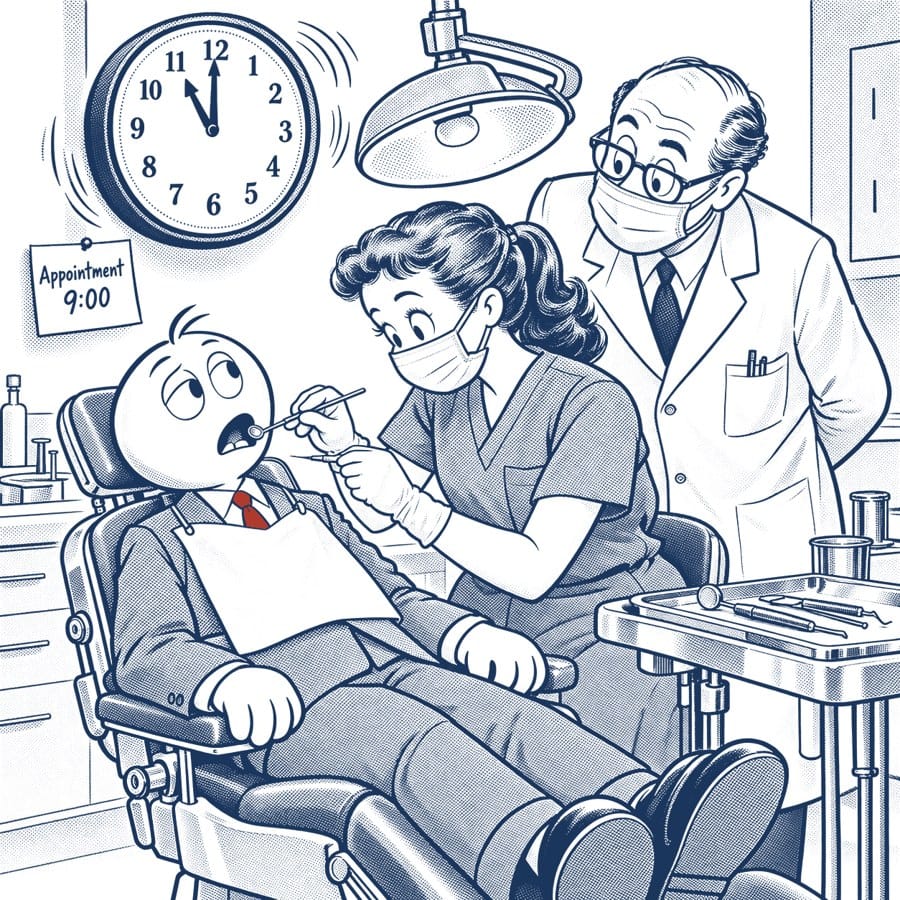
- Plan for the time. Lower-cost clinics often mean long appointments and strict cancellation rules.
- Check credentials. Even discounted care should come from licensed dentists or accredited schools.
- Ask how payment works. Many clinics want payment up front. Some offer sliding fees or payment plans.
- Get it in writing. Ask for a written treatment plan with prices before work begins. Schools, discount-plan dentists and insured dentists can all give you one, and it lets you compare.
The full list, with addresses, phone numbers, hours and payment rules for each clinic, is in our guide, Dental Care in Retirement. Questions? Call us at (602) 281-3898.
This is Part 3 of Dental Care in Retirement, a five-part series from our newest guidepost. Tomorrow: what the dental benefit in your Medicare Advantage plan really covers. For education only. Not a recommendation of any plan, company or clinic. Clinic details change often; confirm directly before relying on them.
Disclaimer: This article is for educational purposes only. It is not sponsored, endorsed, or otherwise representative of Medicare or the federal Medicare program. American Retirement Advisors is not a government agency. For official Medicare information, visit medicare.gov or call 1-800-MEDICARE (1-800-633-4227).