If someone tells you that something is guaranteed to pay off quickly, grab your wallet and head in the other direction. Scammers often start with a friendly call, email, or social media message. They may sound confident, polished, and knowledgeable. They might use impressive sounding terms to appear legitimate. The truth is simple. Anything that promises fast results with zero risk is almost always a scam.
These schemes can be very convincing. Scammers impersonate professionals, create fake websites, and send "verification" documents that look real. Some even promise to double your money in days or weeks. No legitimate professional would ever make a claim like that.
How to protect yourself: Always research any offer before you commit to it. Look for real company information, confirm that the business actually exists, and be cautious of anyone who pressures you to act immediately. If something sounds too good to be true, it probably is.
Social Media Scams: "It seemed like such a great deal."
Everyone loves a bargain. Today, that forty-nine-dollar luxury watch or "free trial" health product you see online may come with more trouble than it is worth. Social media is a playground for scammers because it is fast, lightly regulated, and full of people who click out of curiosity.
How to protect yourself: Before you buy anything you see online, search for the company name, check real reviews, and confirm that a clear return policy exists. Never send money through untraceable methods such as gift cards or wire transfers.
Tech Support Scams: "They needed access to 'fix' my computer."
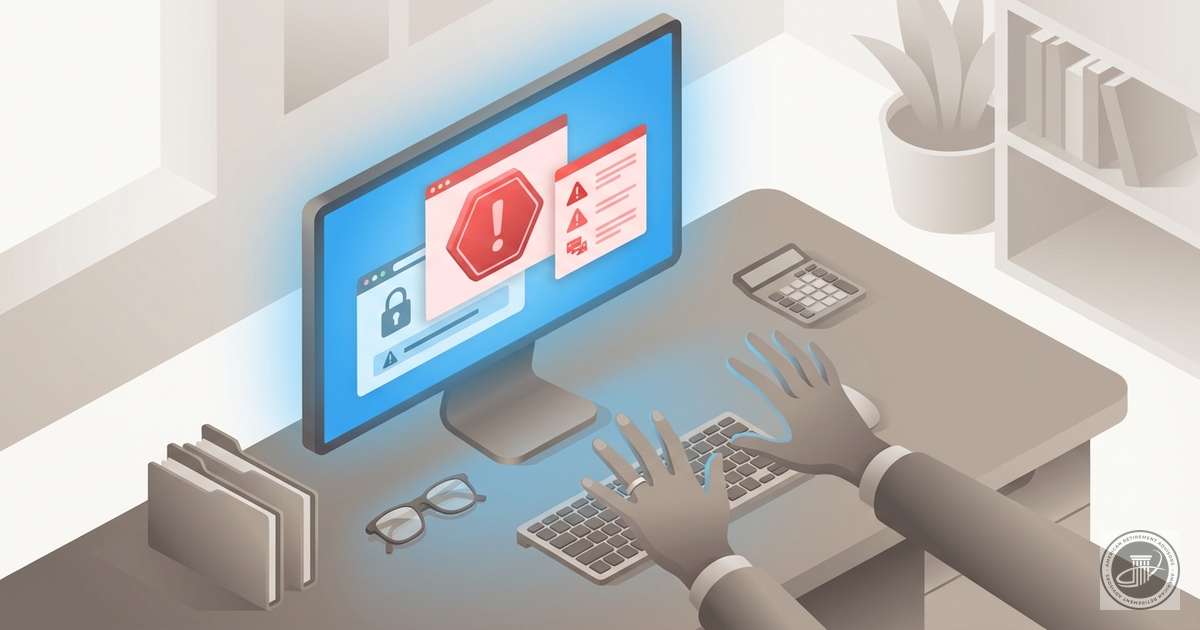
You are having a normal morning, coffee in hand, when a pop up suddenly warns that your computer is infected. Moments later, someone claiming to be from tech support contacts you and says they need remote access to help.
Stop right there.
Real companies such as Microsoft, Apple, or your bank will never call you unexpectedly and ask for remote access or personal information. These scammers want full control of your device. Once inside, they can steal passwords, install harmful software, or lock you out entirely.
How to protect yourself: If you receive an unexpected call or pop up from supposed tech support, hang up or close the window. Never give codes, passwords, or account information to anyone. If you think your computer may actually be infected, contact a trusted local technician. If you enjoy action movies and want to see an entertaining example of this trickery, watch The Beekeeper.
Final Thought: "Scammers rely on urgency, fear, or excitement to get your money. Slow down, breathe, and ask questions. Your instincts are often more reliable than the message on your screen." Never give anyone you don't know your Medicare number, Social Security number or bank account numbers.
By Marc Frye
Marc Frye provides financial analysis and market commentary for the ARA newsletter, translating complex economic trends into actionable insights for retirees.
You Might Also Like
- Financial Tip: The Benefits of Consolidating Your Investments
Investment Strategy · Marc Frye - The Three Legs of Investment Success: Safety, Return, and Liquidity
Investment Strategy · Marc Frye - Cryptocurrency: Not Ideal for Conservative Investors
Investment Strategy · Marc Frye
Easy Eddie's Take
Marc's right about those red flags, and here's something that comes up all the time: "How can I tell if someone calling about Medicare or Social Security benefits is legitimate?" The Social Security Administration and Centers for Medicare & Medicaid Services have strict rules. They'll never call you out of the blue asking for your Medicare card number or Social Security number to "verify your benefits" or offer special deals. If someone claims to be from Medicare and wants your information, hang up and call Medicare directly at 1-800-MEDICARE.
One thing that catches a lot of folks in 2026 is scammers targeting retirement accounts. They'll call claiming your 401k or IRA needs to be "protected" from new tax laws or moved to a special investment. Remember, legitimate financial advisors are registered with FINRA or the Securities and Exchange Commission, and you can verify their credentials online. Real advisors will never pressure you to move your money immediately or ask you to make checks payable to them personally.
A little caution today can save you a lot of trouble tomorrow. When in doubt, take time to think it over and talk to someone you trust.