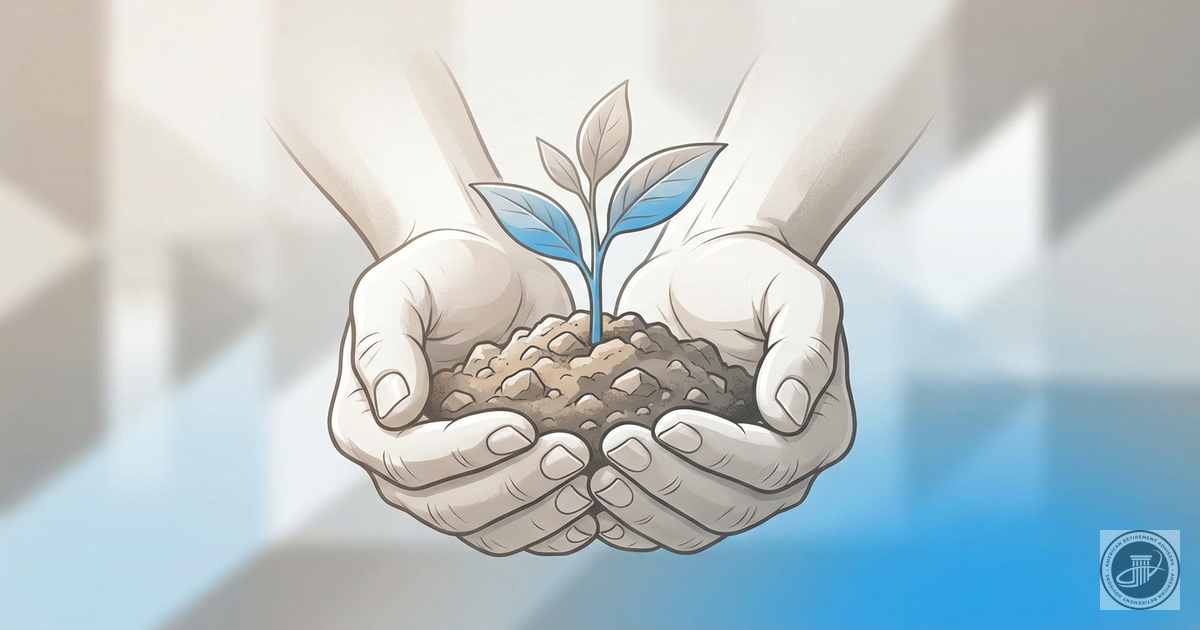
When was the last time you or a family member had to recover from something? It could have been financial or something health related. But whatever the event was, it made you... you!
If it was financial loss, how did you overcome it? Who was involved and when did it happen? Was it expected or unexpected? How long did it take you to recover? And, did you recover? Is it a situation where you are still dealing with it?
If it was a medical recovery, was it you or a close loved one? Was it an elective procedure that was planned, or off to the emergency room?
In all these various situations the recovery time varies but in almost every case it creates doubt, fear and anxiety. Some folks try to push these incidents off their plate by having someone else take on the burden. Other folks tackle the event head on themselves and make a strong resolve to get it corrected.
These "recovery" life events are what brings on experience throughout your life. The things we learn from and most certainly try to avoid in the future.
So, what was your recovery event? Do you still dwell on it wishing you could have prevented it somehow? A friend of mine always told me that what doesn't kill you makes you stronger. All these recovery events that have happened to you are the fabric of your life. But whatever and however you overcame the situation, it made you….you!
These experiences shape how we prepare for the future and approach the challenges that come our way.
By David Edge
David Edge is a retirement lifestyle writer and contributor to the ARA monthly newsletter. His articles blend personal stories with practical insights on living well in retirement.
You Might Also Like
- Roll With the Punches: Life's Unexpected Moments
Lifestyle & Mindset · David S. Edge - Caregiver? How Caregiving Experiences Shape Your Life
Lifestyle & Mindset · David S. Edge - Who was Johnny Appleseed, really? The surprising truth behind the legend
Lifestyle & Mindset · Easy Eddie
Easy Eddie's Take
David's reflection really hits home because I see how life's curveballs affect retirement planning all the time. A lot of people ask me, "How do I protect myself from another financial setback like 2008 or unexpected medical bills?" The truth is, those recovery events David mentions often become turning points where folks finally tackle their Social Security timing, Medicare Supplement planning, or emergency fund strategy.
Here's what I've learned: people who've been through a health scare are much more likely to understand why Medicare Part B premiums and out-of-pocket maximums matter. Those who've faced a job loss or market downturn in their 50s or 60s become laser-focused on building multiple income streams through 401k rollovers, Roth IRA conversions, and Social Security optimization. Think of it this way—that recovery event that felt so overwhelming at the time often becomes the wake-up call that leads to a stronger retirement plan.
The good news is you don't have to wait for another crisis to build resilience into your retirement years. A little preparation today can make a big difference tomorrow.