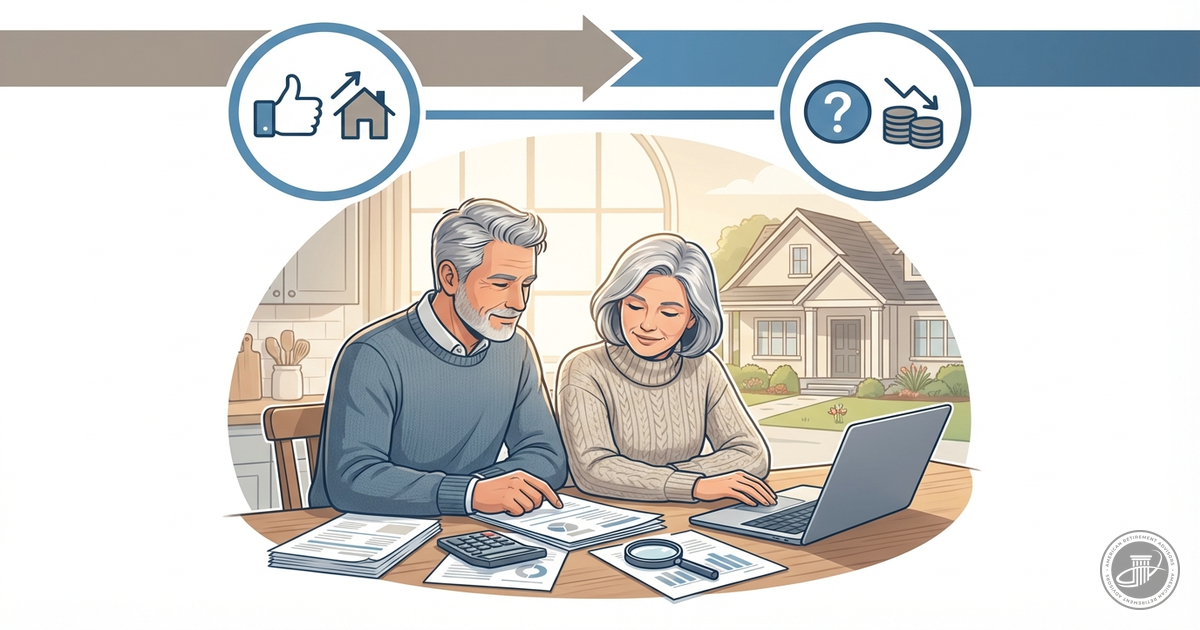
I've been getting a lot of questions lately from folks who are having problems making ends meet in today's economy. If you own your home, there may be a solution.
Reverse mortgages can be a complex topic, but I'll do my best to provide you the pros and cons, as well as help you determine if it's the right option for you.
The Major Advantages
First, let's start with the pros. One major advantage is that they allow homeowners who are 62 years or older to convert a portion of their home equity into tax-free income. This can be particularly beneficial for retirees who may have limited income sources. Additionally, reverse mortgages provide borrowers with the option to receive funds in various ways, such as a lump sum, monthly payments, or a line of credit, giving them flexibility in managing their finances.
Another advantage is that reverse mortgages typically do not require monthly mortgage payments. Instead, the loan is repaid when the borrower sells the home, moves out, or passes away. This can alleviate financial burdens for seniors who may be on a fixed income. Furthermore, reverse mortgages are non-recourse loans, meaning that the borrower's estate is not responsible for repaying any remaining loan balance that exceeds the value of the home.
The Important Drawbacks
However, there are also some cons to consider. One major drawback is that reverse mortgages can be expensive. They often come with high upfront costs, including origination fees, closing costs, and mortgage insurance premiums. These costs can eat into the equity of the home and reduce the amount of funds available to the borrower. Additionally, the interest on reverse mortgages accrues over time, which means that the loan balance can grow substantially, potentially leaving less inheritance for the borrower's heirs.
Another con is that reverse mortgages can impact eligibility for certain government benefits, such as Medicaid. The funds received from a reverse mortgage may be considered as income, which could affect eligibility for need-based programs. It's important to carefully consider the potential impact on your financial situation before proceeding with a reverse mortgage.
Determining if a reverse mortgage is the right option for you depends on your individual circumstances. It's crucial to thoroughly research and understand the terms and conditions of the loan, as well as consult with a financial advisor or housing counselor who specializes in reverse mortgages. They can help you assess your financial goals, evaluate alternatives, and determine if a reverse mortgage aligns with your needs and objectives.
We do NOT sell reverse mortgages, but we will be able to assist you in determining if it's the right move for you and refer you to an expert in the field.
By Marc Frye
Marc Frye provides financial analysis and market commentary for the ARA newsletter, translating complex economic trends into actionable insights for retirees.
You Might Also Like
- HECM vs HELOC: Which Home Equity Option Makes More Sense?
Retirement Planning · Marc Frye - Financial Tip: Smart Pension Planning Strategies for Better Retirement Income
Retirement Planning · Marc Frye - Managing Debt and Credit in Retirement: 7 Essential Strategies
Retirement Planning · Marc Frye
Easy Eddie's Take
Marc covered the basics really well, so let me add some specifics that might help. Most people are surprised when they learn that the most common type of reverse mortgage is the Home Equity Conversion Mortgage (HECM), which is insured by the Federal Housing Administration (FHA). In 2026, the FHA lending limit for HECM loans is $1,149,825, which means that's the maximum home value they'll consider for the loan calculation.
Here's something important to know: before you can get a HECM reverse mortgage, you're required to complete counseling with a HUD-approved housing counseling agency. This isn't just a formality - it's actually a great way to make sure you understand all your options. The counselor will go through your finances and might suggest alternatives you hadn't considered, like property tax deferral programs or home equity lines of credit.
One question that comes up all the time is how a reverse mortgage affects Medicare or Social Security benefits. The good news is that reverse mortgage proceeds generally don't count as income for Social Security or Medicare purposes. However, if you're receiving Supplemental Security Income (SSI) or Medicaid benefits, you'll need to be more careful about how much cash you keep on hand from the reverse mortgage proceeds. A little preparation and the right guidance can help you avoid any benefit complications.