Vitamin D is an essential soluble vitamin for good health. It is crucial to many of our body functions. Here are some signs that you may be low in vitamin D.
1. Hair loss. Vitamin D 'kickstarts' hair growth by pushing hair follicles out of your scalp.
2. Fatigue. But you could have other contributing factors.
3. Low Immunity. Vitamin D is very important in activating immune cells, which help the body fight infections and disease.
4. High Blood Pressure. Yes, HBP can be a symptom of low vitamin D levels because vitamin D helps regulate blood pressure.
5. Bones & Muscles. Vitamin D helps you move more freely. It also regulates proteins that help maintain muscular tissue.
6. Teeth and gums are healthier with adequate levels of Vitamin D.
7. Depression & Mood Swings. Vitamin D is crucial in producing serotonin, the "happy" hormone that regulates our mood.
8. Brain Fog. Vitamin D is important for your mental fitness.
9. Insomnia. Vitamin D helps with your biological clock and sleep patterns by producing melatonin.
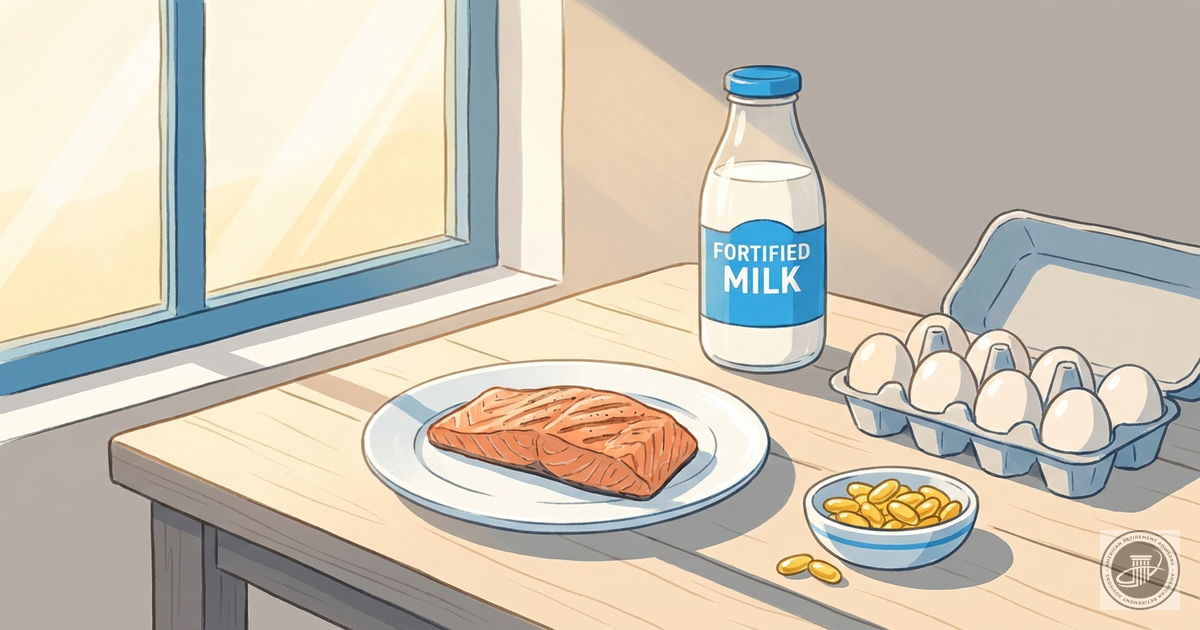
Vitamin D is naturally found in sunlight, and foods such as fish, salmon, eggs, orange juice, sardines, and beef liver are rich in it. Even milk and almond milk are fortified with vitamin D.
So, please talk to your doctor to ensure you get adequate vitamin D to be mentally and physically healthy.
By Sharon Groves
Sharon Groves covers health, wellness, and lifestyle topics for the ARA newsletter, helping readers make informed decisions about their wellbeing in retirement.
You Might Also Like
- Why pH Balance Matters for Your Health
Lifestyle & Mindset · Sharon Groves - Eat the Rainbow! Colorful Nutrition for Better Health
Lifestyle & Mindset · Sharon Groves - Gut Rut? How Your Diet Affects Digestive Health in Retirement
Lifestyle & Mindset · Sharon Groves
Easy Eddie's Take
Sharon's list really hits home because vitamin D deficiency is surprisingly common among seniors. Most people are surprised when they learn this, but about 40% of adults over 65 have insufficient vitamin D levels according to the National Institutes of Health. Here's the good news: a simple blood test called 25-hydroxyvitamin D can tell you exactly where you stand.
One question that comes up all the time is "how much vitamin D should I take if I'm deficient?" The Endocrine Society recommends that adults over 70 need at least 800 IU daily, but many doctors prescribe 1,000 to 2,000 IU for those with confirmed deficiency. Think of it this way: just 10-15 minutes of midday sunlight on your arms and face can help your body make about 1,000 IU naturally. For Arizona residents like many of our clients, that sunshine is usually pretty easy to come by!
The connection between vitamin D and bone health becomes even more important as we age, especially for Medicare beneficiaries who want to avoid fractures and falls. A little attention to your vitamin D levels today can help keep you strong and steady tomorrow.