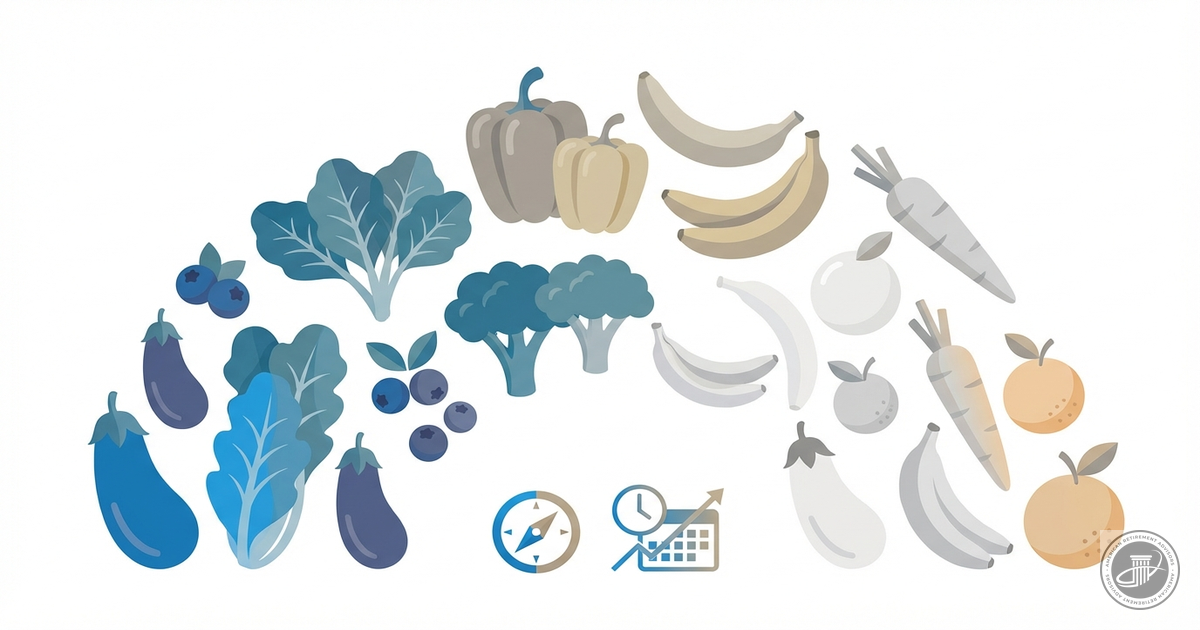
Growing up, how many of us heard, "Eat your fruits and vegetables?" Our moms knew best, and here's why: each color in the food rainbow provides different nutrients, antioxidants, and health benefits.
Red foods are heart-healthy, helping fight inflammation and support immune health. Examples include tomatoes, red peppers, strawberries, raspberries, cherries, and beets.
Orange and yellow foods are rich in vitamin A, beta-carotene, and vitamin C, which support vision, skin, and immunity. These include carrots, sweet potatoes, oranges, mangoes, peaches, cantaloupe, and pineapple.
Green foods are powerful detoxifiers and nutritional gold. They contain iron, vitamin K, and calcium, supporting healthy bones, blood, and digestion. Look to spinach, kale, broccoli, asparagus, Brussels sprouts, avocados, and kiwis.
Blue and purple foods are brain and longevity boosters. Their antioxidants support memory, heart and brain health. Found in blueberries, blackberries, purple grapes, plums, eggplant, and red cabbage. I personally love adding blueberries to oatmeal or salads... especially frozen as a sweet treat.
White and brown foods also count. They offer antibacterial and antiviral properties plus potassium for heart and muscle function. These include garlic, onions, cauliflower, mushrooms, potatoes, and bananas.
It's never too late to start. One benefit I discovered was eating a small amount of raw kale in the early evening, helped me sleep through the night. This works for me, but may not be suitable for everyone. Always consult your doctor before adding raw kale, especially if you have digestive conditions.
By Sharon Groves
Sharon Groves covers health, wellness, and lifestyle topics for the ARA newsletter, helping readers make informed decisions about their wellbeing in retirement.
You Might Also Like
- Nutrition According to Mom: Healthy Eating Habits for Life
Lifestyle & Mindset · Sharon Groves - Plant-Based or Animal Protein: Which Is Better for Weight Loss?
Lifestyle & Mindset · Sharon Groves - No Bones About It: Protecting Your Joints for Lifelong Mobility
Lifestyle & Mindset · Sharon Groves
Easy Eddie's Take
Sharon's right about it never being too late to start eating colorfully. Here's the good news: for seniors, this kind of nutrition planning can work hand-in-hand with your Medicare benefits. Many Medicare Advantage plans in 2026 now include nutrition counseling and some even offer grocery allowances for fresh produce through supplemental benefits.
A lot of people ask me, "Does healthy eating really make a difference with my Medicare costs?" The answer is yes. The Centers for Medicare & Medicaid Services recognize that good nutrition helps prevent chronic conditions like diabetes and heart disease, which is why many plans now cover dietitian visits and diabetes prevention programs at no extra cost.
Think of it this way: those colorful foods Sharon mentioned can help you avoid some of the health issues that drive up your out-of-pocket medical expenses later. Start simple with one new colorful food each week, and remember that small changes today make a big difference tomorrow.