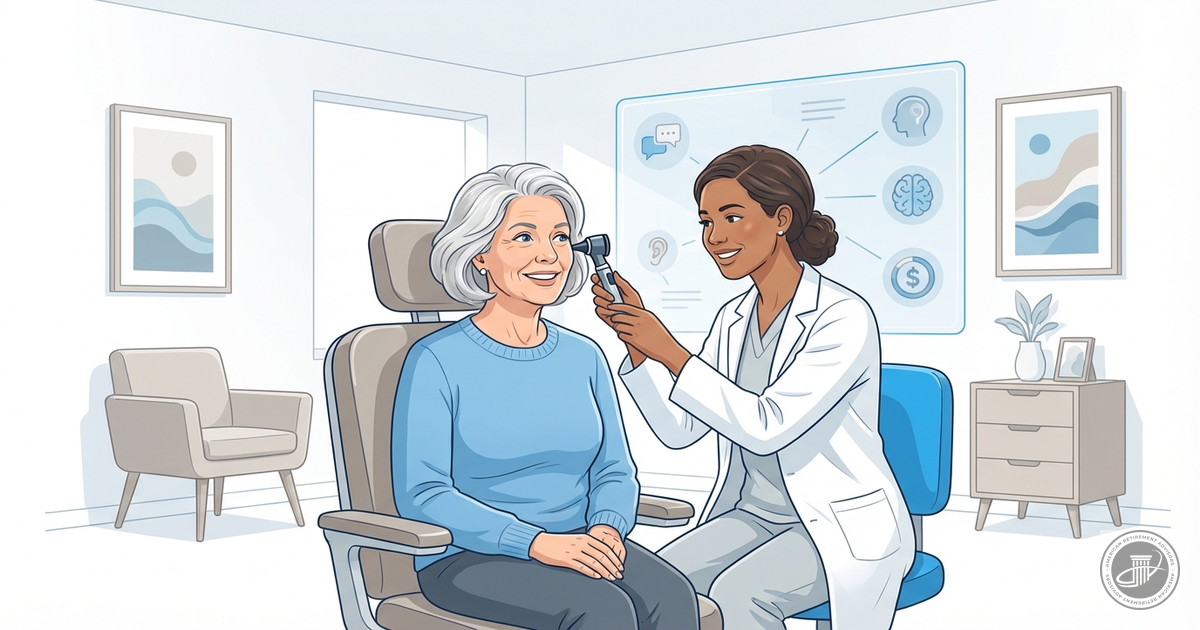
People with untreated hearing loss can develop not only physical issues but mental health issues as well. Among some of these issues as reported by MedicareAdvocacy.org are:
- Higher risk of dementia – depending on the level of hearing loss, seniors could have a 5x greater risk of developing dementia.
- Higher risk of falls – seniors with untreated hearing loss suffer 3x more falls.
- Depression – many studies show a strong link between hearing issues and depression.
- Other negative effects – untreated hearing loss may also cause social isolation, lost workplace productivity, and a lower overall quality of life.
Did you know that only 1 in 5 Americans with hearing loss actually use a hearing aid?
Why People Avoid Treatment
Considering the negative implications of that decision, why do folks let their hearing loss go untreated? 75% of those with untreated hearing loss cite COST as the #1 reason. With the average price of one hearing aid being around $2,800 in 2026 and the fact that most people need two hearing aids, treating hearing loss is simply unattainable for many seniors surviving on a fixed income.
As we know, Medicare specifically excludes coverage for routine hearing exams and hearing aids which seems counterproductive given the additional costs to the Medicare program from the complications of untreated hearing loss among Medicare beneficiaries.
Keep in mind, if you have a Medicare Advantage plan, the plan most likely includes a benefit for an annual hearing exam and for hearing aids. Some plans may give you an allowance to spend each year for hearing aids and some may offer them for a set copay. There are also a few Medicare Supplement plans that offer some discounts on hearing services. If your Medicare plan doesn't offer you hearing coverage, you may wish to consider changing your plan to take advantage of a hearing benefit. You might also consider checking into the cost of hearing aids at your local big box retailer – Costco, for example. In many cases you can get a pair of hearing aids there for $1,800 or less.
The bottom line is even if you like not being able to hear your partner sometimes (smiley face), don't let your hearing loss go untreated as it may leave the door open for more significant problems down the road. And once you get your hearing aids, you can always turn them off or practice "selective hearing" (lol).
By American Retirement Advisors
American Retirement Advisors helps retirees and pre-retirees navigate Medicare, estate planning, and retirement income — so you can enjoy the retirement you've earned.
You Might Also Like
- Medicare Moment: Cataract Surgery Coverage - What You Need to Know
Medicare & Healthcare · Tammy Semler - Medicare Supplemental Insurance: Finding Affordable Coverage
Medicare & Healthcare · Tammy Semler - Considering a change to Medicare Advantage?
Medicare & Healthcare · Tammy Semler
Easy Eddie's Take
This is spot on about the costs being a real barrier, but here's some good news: your Medicare coverage options for hearing aids have actually expanded quite a bit. Most Medicare Advantage plans in 2026 now include hearing aid benefits, with many offering $2,000 to $4,000 annual allowances. During Medicare Open Enrollment (October 15 through December 7 each year), you can switch to a plan that covers hearing aids if your current plan doesn't.
A lot of people ask me, "What's the difference between Medicare Advantage and Medicare Supplement when it comes to hearing coverage?" Medicare Advantage plans often include hearing aid benefits as an extra, while Original Medicare with a Supplement typically doesn't cover hearing aids at all. If you're in Arizona, several major Medicare Advantage providers like Humana, UnitedHealthcare, and Aetna offer solid hearing benefits in their 2026 plans.
The connection between untreated hearing loss and dementia that mentioned in the article is backed by Johns Hopkins research and the National Institute on Aging. When you consider that Medicare Advantage plans with hearing benefits often have similar premiums to plans without them, it's really worth exploring during your next enrollment period. A little preparation today can make a big difference tomorrow.