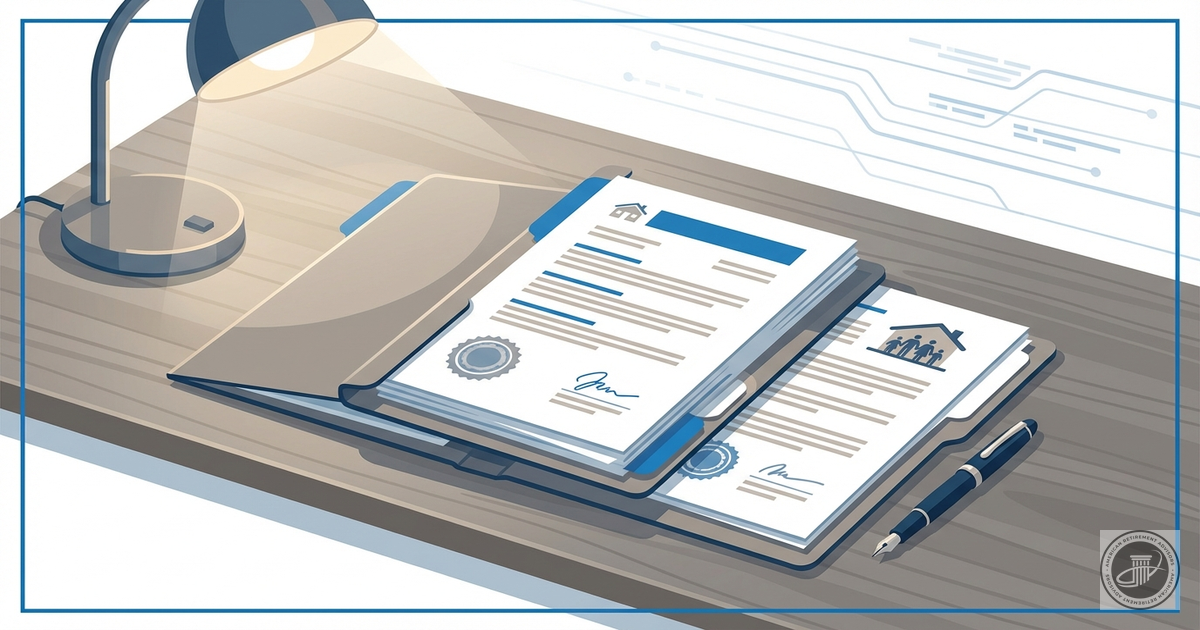
There are many goals when estate planning. The most common issue to address is probate avoidance. Probate is the legal process by which your assets are transferred to your heirs. Probate can take a significant amount of time and incur fees that exceed making an estate plan. An estate plan often includes a Financial Power of Attorney, Health Care Power of Attorney, Will and Trust.
The Essential Documents Everyone Needs
Everyone should have a Financial Power of Attorney and Health Care Power of Attorney. These documents appoint an agent to step into your shoes to make decisions on your behalf if you do not have the capacity to do so. Most people appoint spouses, adult children, family members or trusted friends to these roles. It is possible to restrict these documents to only take effect once capacity is lost, preventing someone from making decisions on your behalf until that time. It is critical to have these documents drafted prior to losing capacity as once this occurs, you are unable to create them. When someone loses capacity and an agent needs to step in, the only option is to obtain a court approved guardianship over the person that has lost capacity. This requires ongoing court reporting and oversight of any future decisions.
Everyone should also have a Will. A common myth is that a Will avoids probate. Only small estates, in Nevada under $100,000 without real property, avoid probate. A Will allows you to redirect your estate to the people or entities you want through probate. If you do not have an estate plan, each State's statutes predetermine who will inherit your estate. This may or may not match your intended goals. More importantly, statutes may change over time. It is best to state your goals explicitly.
If your estate is simple and your goal is to avoid probate, there are other strategies that are effective. Beneficiary designations avoid probate. You can designate a Payable on Death (POD) beneficiary on a bank account or investment account. Your investment advisor can assist in accomplishing this. The institution will pay out the beneficiary when presented a death certificate.
The Power of Trust Planning
The last, and most important document in an estate plan, is a revocable Trust. Assets in a trust do not need to go through probate. A Trust is a private contract where you wear three hats. Initially, you are the Trustor, Trustee and Beneficiary. Your assets are moved into the Trust, including real property, bank accounts, investment accounts, and personal property. You manage the Trust. The Trust is for your benefit during your lifetime. You have complete access to the assets in the Trust and can move assets in and out as necessary. If you die or become incapacitated, a successor Trustee can immediately step in to manage Trust assets instead of having to go through probate. Finally, you have significantly more control over the distribution of assets including providing as much discretion by the Trustee as desired.
In summary, you should most certainly have an estate plan. At a minimum, you should have a Financial Power of Attorney, Health Care Power of Attorney, Will. If your goal is to avoid probate and reduce the costs of passing your estate on, you should also have a Trust. Your American Retirement Advisor may be able give you recommendations as to an attorney in your area, or if you are so inclined, a do-it-yourself web site.
By Marc Frye
Marc Frye provides financial analysis and market commentary for the ARA newsletter, translating complex economic trends into actionable insights for retirees.
You Might Also Like
- Clutter or Confidence: When 'I Know Where It Is' Isn't Enough
Estate Planning · Loraleigh Drummond - Estate Planning Essentials: 5 More Crucial Points You Can't Ignore
Estate Planning · Marc Frye - A Christmas Gift Beyond Measure: Estate Planning for Your Family
Estate Planning · Loraleigh Drummond
Easy Eddie's Take
Marc really hits the key points here, and I want to add some context that might help you think through your own situation. One question I hear all the time is "When do I actually need a revocable living trust versus just having a will?" Here's the thing—if you own real estate in multiple states, have a blended family with children from previous marriages, or your total estate (including life insurance and retirement accounts) exceeds about $200,000, a trust usually makes sense. The 2026 federal estate tax exemption is $13.99 million per person, so most folks don't worry about federal estate taxes, but the real benefits of trusts are privacy and avoiding that lengthy probate process Marc mentioned.
Think of it this way: your will is a public document that goes through the court system, but your revocable living trust stays completely private. Plus, if you become incapacitated, your successor trustee can step right in without any court involvement. Most people are surprised when they learn that Powers of Attorney don't always work smoothly with every financial institution, but a properly funded trust removes those potential roadblocks entirely. A little preparation today can make a big difference for your family tomorrow.