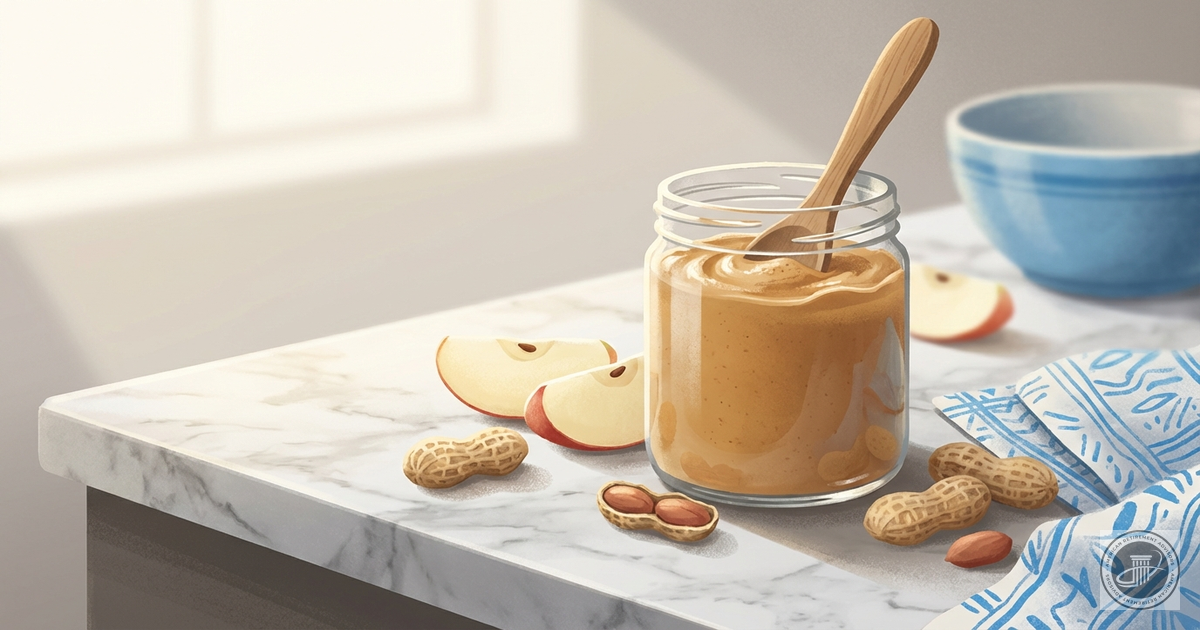
Peanut Butter? I am its number one fan in the USA. Thankfully, I have no nut allergies. Yeah, that's another reason to be grateful! LOL.
But, really, is peanut butter good for you? Peanut butter is nutrient-rich! It is full of heart-healthy fats and a good source of protein, magnesium, zinc, niacin, and vitamin B-6. It is a good option for vegetarians or people on a plant-based diet. However, it contains many calories and has some saturated fat, which can contribute to heart problems. So, please moderate portions to avoid weight gain. And beware of low-fat peanut butter. The fat content can be replaced with sugar, resulting in more carbs—definitely NOT a good option if you have diabetes.
Other facts about peanut butter: It contains resveratrol, which can ease joint pain in arthritis. Some reports say a small amount before bed may help improve sleep quality. Pair it with a sliced apple, and Voila! What a great combination. While satisfying your appetite, the nutrients help skin and hair, are excellent energy boosters, and are fantastic for bone health.
Please make sure you are not allergic to nuts, etc. Talk to your doctor if you plan to add peanut butter to your diet.
Now… if I could only stop adding peach jam with a cold glass of milk. Enjoy!
By Sharon Groves
Sharon Groves covers health, wellness, and lifestyle topics for the ARA newsletter, helping readers make informed decisions about their wellbeing in retirement.
You Might Also Like
- Colorful Foods = Better Health for Retirees
Lifestyle & Mindset · Sharon Groves - Protein and Vitamin D: The Dream Team for Strong Bones and Better Health
Lifestyle & Mindset · Sharon Groves - Put Some Green in Your Life: Kale's Powerful Health Benefits for Retirees
Lifestyle & Mindset · Sharon Groves
Easy Eddie's Take
Sharon's love for peanut butter really resonates with me! A lot of folks ask me, "Is peanut butter actually healthy for seniors?" The answer is yes, when you choose wisely. Look for natural peanut butter with just peanuts and maybe a little salt. The American Heart Association recognizes that the monounsaturated fats in peanuts can support heart health, which is especially important as we age.
Here's something most people don't know: two tablespoons of peanut butter provide about 8 grams of protein and 188 milligrams of potassium. For seniors managing blood pressure or trying to maintain muscle mass, those numbers actually matter. The magnesium content (about 57 milligrams per serving) helps with bone health too. Just remember what Sharon said about portions—stick to that two-tablespoon serving size to keep calories in check.
If you're managing diabetes or heart conditions, definitely chat with your doctor about adding peanut butter to your routine. Once you find the right balance, it's a simple way to add nutrition and satisfaction to your day.