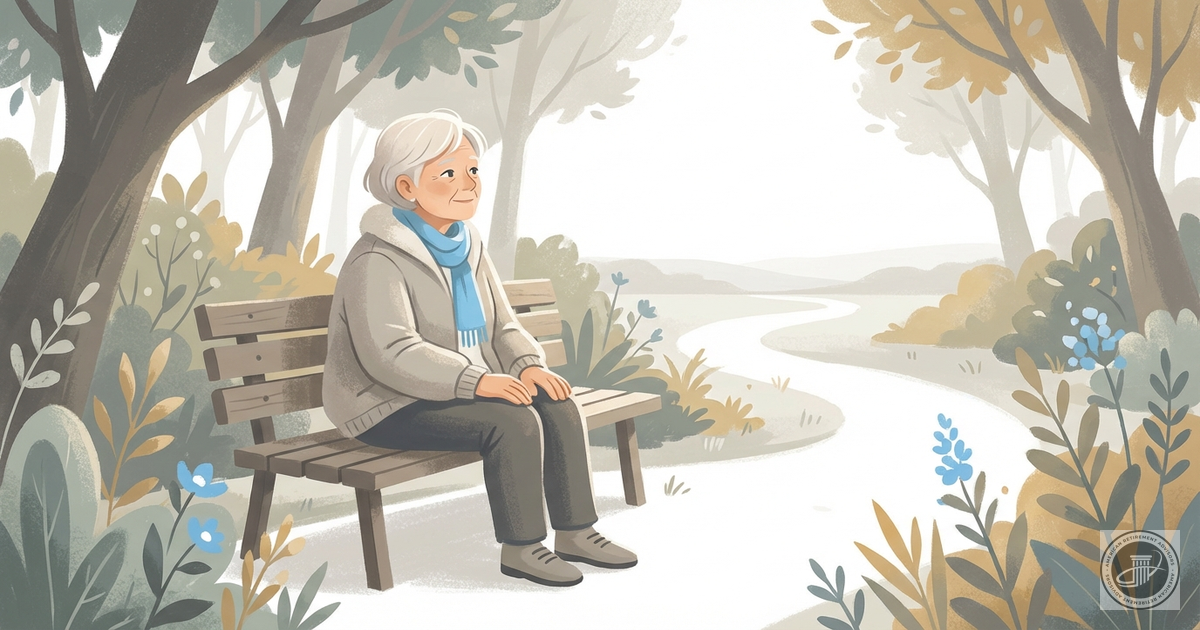
Grief over a loss is highly personal and different for everyone. Whether the loss is a family member, friend, co-worker, or even a beloved pet, coping with challenging times can adversely affect our health. You may be surprised at what physically happens that can significantly (sometimes quickly) harm our health and well-being. So here are some positive ways to help you overcome it.
Here are positive ways to cope to help propel you toward healthy healing:
- Focus on your diet. Choosing balanced and nutritious foods and trying to eat regularly (even if you are not super hungry) can help your mood and energy level.
- Get Sleep: If sleep seems impossible, seek advice from your primary care doctor.
- Exercise: It's essential to exercise… even if it's just a daily walk around the block.
- Give yourself permission: It's ok and natural to feel sad.
- Talking: Some people find healing in sharing with others who have lost a loved one.
Remember, just give yourself time…
By Sharon Groves
Sharon Groves covers health, wellness, and lifestyle topics for the ARA newsletter, helping readers make informed decisions about their wellbeing in retirement.
You Might Also Like
- Why pH Balance Matters for Your Health
Lifestyle & Mindset · Sharon Groves - Sitting Disease: The Hidden Health Risk for Retirees
Lifestyle & Mindset · Sharon Groves - Heart-Healthy Ideas for a Sweet Valentine's Day
Lifestyle & Mindset · Sharon Groves
Easy Eddie's Take
Sharon's advice hits home for so many Arizona retirees I work with. What people don't always realize is that grief can actually trigger serious health complications, especially for those 65 and older. Studies show that widows and widowers have a 53% higher risk of dying within the first three months after losing a spouse, often due to stress-related heart problems or compromised immune systems.
Here's something practical to consider: if you're dealing with grief and you're on Medicare, many Medicare Advantage plans now cover grief counseling and mental health services with little to no copay in 2026. The Centers for Medicare & Medicaid Services expanded these benefits because they recognize the direct connection between emotional health and physical health. You can also look into support groups through organizations like GriefShare or local senior centers in the Phoenix and Tucson areas.
One thing that comes up all the time is whether people should talk to their primary care doctor about grief symptoms. The answer is absolutely yes, especially if you're experiencing sleep problems, loss of appetite, or chest pains. Your doctor can help distinguish between normal grief responses and potentially serious health complications. A little extra support during difficult times can make all the difference in your overall well-being.