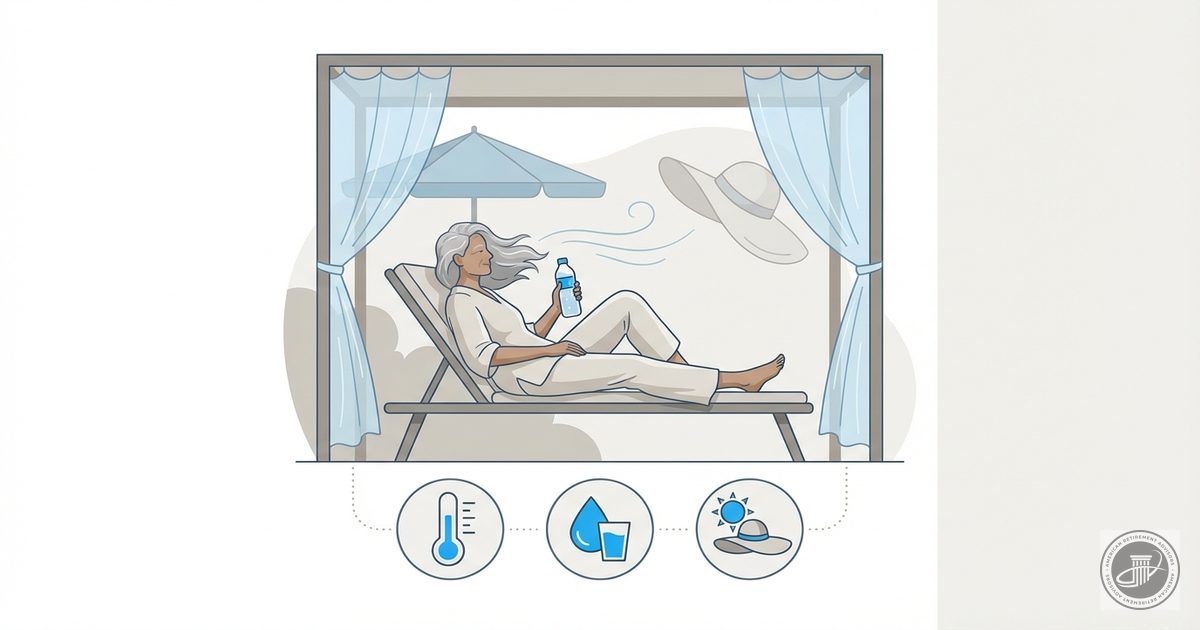
Here in Arizona, we are still experiencing warmer than normal weather, so we still won't be breaking out the winter garb just yet. As the weather does start cooling slightly, we start enjoying more outdoor activities and yard improvements. Some of us may even play more 'pickleball.' Please be aware if you are traveling somewhere warmer you still need to protect yourself from heat exhaustion and/or stroke. I decided to write this article because I over-exerted myself recently in the warmer temps and felt queasy in a short period of time. So here are some reminders:
Plan activities for the coolest part of the day: mornings or early evenings. Hydrate, wear loose clothing, take frequent breaks, cool down in the shade or indoors, and know the signs of heat exhaustion and heat stroke below.
Know the Warning Signs
Heat Exhaustion: fainting, nausea or vomiting, excessive sweating, rapid pulse, clammy skin, or muscle cramps. Best action to take: Get to a cooler or air-conditioned place. Drink water or a sports drink to replace lost salt. Take a cool shower or use cold compresses. Use fans or ice towels. If fluids and rest do not quickly resolve these symptoms, call your doctor. Better yet, call 911. Don't take any chances.
Heat Stroke: Body temperature is 103 degrees or higher, throbbing headache, vomiting, you are not sweating or you are profusely sweating, strong rapid pulse, loss of consciousness, confusion, slurred speech. Immediate action: CALL 911!!! Take immediate action to cool down the person until help arrives. Heat stroke is considered a medical emergency. If ignored or untreated, heat stroke can lead to death.
So please take care of yourselves, friends and family. It won't be long before I write an article on protecting ourselves during the cold winter. I know you all can't wait. Right? Stay safe out there, and remember that taking breaks isn't giving up - it's being smart.
By Sharon Groves
Sharon Groves covers health, wellness, and lifestyle topics for the ARA newsletter, helping readers make informed decisions about their wellbeing in retirement.
You Might Also Like
- Summer Hydration and Sun Safety for Active Retirees
Lifestyle & Mindset · Sharon Groves - What's All the BUZZ About? Summer Mosquito Safety for Your Health
Lifestyle & Mindset · Sharon Groves - Heat Stroke Prevention: Stay Safe During Summer Heat
Lifestyle & Mindset · Sharon Groves
Easy Eddie's Take
Sharon's absolutely right about Arizona heat being tricky, even in what we call our "cooler" months. Here's something a lot of people ask me: "Does Medicare cover heat-related emergency room visits?" The good news is yes - Medicare Part A covers emergency hospital treatment for heat stroke, and Medicare Part B covers emergency room visits for heat exhaustion when medically necessary.
If you're on multiple medications, here's what's important to know: blood pressure medications, diuretics, and some heart medications can make you more sensitive to heat. The Centers for Disease Control and Prevention recommends talking with your doctor about how your specific medications might affect your heat tolerance. Most Arizona Medicare Advantage plans also offer telehealth consultations, so you can check with your doctor about heat safety without leaving your air conditioning.
One practical tip: if you're playing pickleball or doing yard work, set a phone timer for every 20 minutes to remind yourself to take a water break. It sounds simple, but when you're having fun or focused on a project, those reminders can be lifesavers. A little preparation today can make a big difference tomorrow.