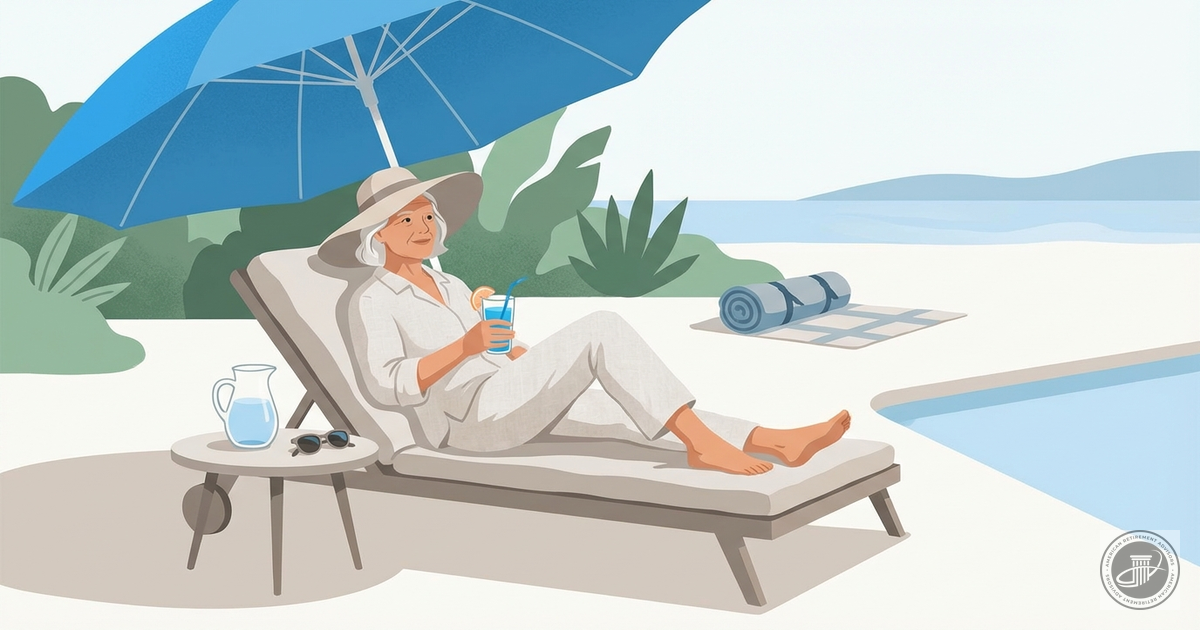
Yum! July is National Ice Cream Month, National Hot Dog Month and National Picnic Month!
July certainly brings the best of summer: sunshine, fun and soaring temperatures. But with the summer fun comes an important safety reminder and a mention: July is also National Heatstroke Awareness Month!
Yep! Be aware of heat exhaustion and heat stroke. They can sneak up quickly and should never be ignored. Warning signs can include fainting or dizziness, nausea or vomiting, excessive sweating, rapid pulse or throbbing headache, slurred speech, & loss of consciousness.
If you or someone around you show these symptoms, CALL 911 IMMEDIATELY! While waiting for help, move to a cooler or air-conditioned location, hydrate with water or a sports drink, apply cold compresses or ice towels or use a fan to cool off.
Heat stroke is a medical emergency that can be fatal if untreated. To protect yourself, never leave children or pets in a car, even briefly. Stay hydrated throughout the day, apply sunscreen regularly to shield your skin, and wear UV-protective sunglasses to safeguard your eyes.
Recovery from heat-related illness takes time—1 to 2 days if mild or up to a month if hospitalized.
So, enjoy your picnics, vacations & adventures but stay smart & stay safe out there!
By Sharon Groves
Sharon Groves covers health, wellness, and lifestyle topics for the ARA newsletter, helping readers make informed decisions about their wellbeing in retirement.
You Might Also Like
- What's All the BUZZ About? Summer Mosquito Safety for Your Health
Lifestyle & Mindset · Sharon Groves - Staying Safe in Arizona's Summer Heat
Lifestyle & Mindset · David S. Edge - Summer Hydration and Sun Safety for Active Retirees
Lifestyle & Mindset · Sharon Groves
Easy Eddie's Take
Sharon's absolutely right about heat safety being extra important as we get older. Here's something most people don't realize: adults over 65 are at higher risk for heat-related illness because our bodies don't regulate temperature as efficiently as they used to. Plus, many common medications like blood pressure medicines and diuretics can make us more sensitive to heat.
If you're taking medications, it's worth having a quick conversation with your pharmacist about whether any of them affect how your body handles heat. And here's a practical tip for Arizona summers: the National Weather Service issues excessive heat warnings when Phoenix temperatures hit 110°F or higher. On those days, plan any outdoor activities before 9 AM or after 6 PM.
The good news is that staying safe in the heat is pretty straightforward when you have a plan. A little preparation today keeps you enjoying all those summer adventures tomorrow.