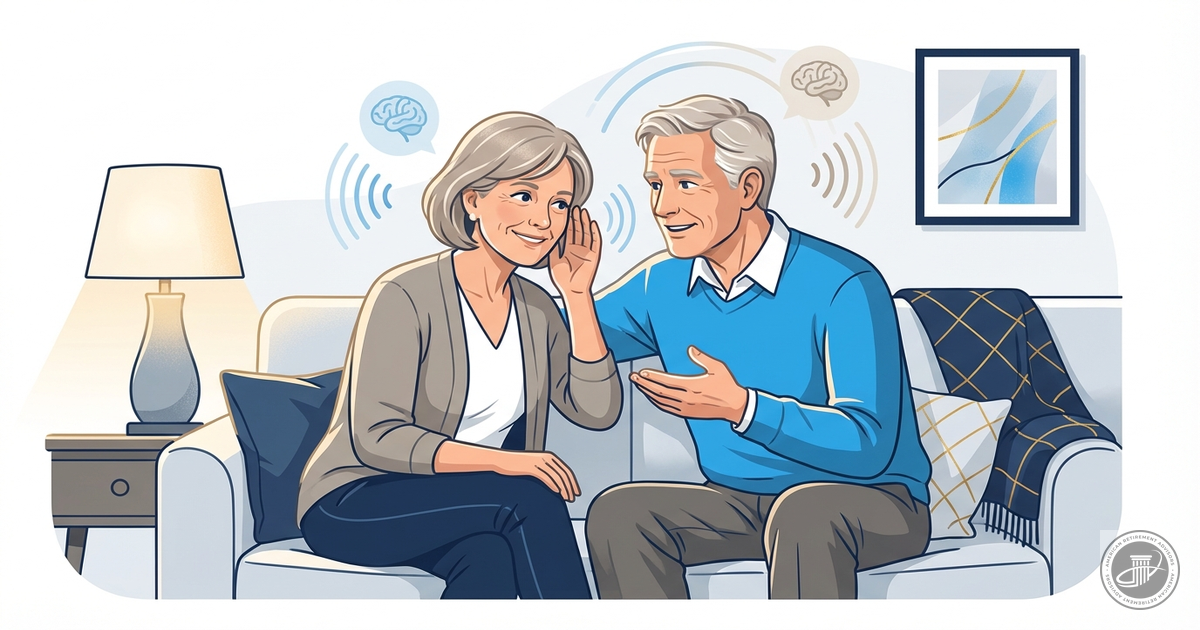
Hearing loss, brain health, and dementia are deeply connected, especially as we age. Untreated hearing loss forces the brain to work harder to process sounds, pulling resources away from memory and thinking. Over time, this strain can lead to brain atrophy and cognitive decline.
Research shows people with moderate to severe hearing loss are significantly more likely to develop dementia compared to those with normal hearing. While the reasons aren't fully understood, contributing factors may include social isolation, brain strain, and reduced mental stimulation.
Medicare has begun to recognize the importance of this connection. Cognitive assessments are now covered and can be part of your yearly wellness visit to help detect early signs of dementia, including Alzheimer's.
Expanded mental health support includes access to counselors and family therapy. As of 2024, Original Medicare now covers hearing aids when they're prescribed following a medical exam or hearing test. Many Medicare Advantage plans also include additional hearing aid coverage and routine hearing exams.
If you or a loved one notices memory lapses or trouble hearing, talk to your doctor. Early evaluations could make a real difference.
By Sharon Groves
Sharon Groves covers health, wellness, and lifestyle topics for the ARA newsletter, helping readers make informed decisions about their wellbeing in retirement.
You Might Also Like
- Hearing Loss & Brain Health: The Hidden Connection
Medicare & Healthcare · Sharon C. Groves - Over-the-Counter Hearing Aids: No Prescription Required
Medicare & Healthcare · Sharon Groves - Don't Ignore Hearing Loss... Here's Why It Costs More Than You Think
Medicare & Healthcare · Tammy Semler
Easy Eddie's Take
Let's take a look at this together. Sharon's pointing out something that most people are surprised to learn: your hearing and your brain health are more connected than you might think. A lot of people ask me, "Does Medicare really cover hearing aids now?" The answer is yes, but there are some important details to know.
As of 2024, Original Medicare Part B covers hearing aids when they're medically necessary and prescribed after a doctor's exam or audiologist's hearing test. You'll still pay your Part B deductible and 20% coinsurance, but this is a big change from years past. Medicare Advantage plans often include even broader hearing coverage, including routine hearing screenings and hearing aid fittings. During Medicare Open Enrollment from October 15 to December 7 each year, you can compare plans to find one that covers the hearing services you need.
Here's the good news: Medicare also covers those cognitive assessments Sharon mentioned as part of your Annual Wellness Visit at no cost to you. Think of it this way - catching hearing loss or cognitive changes early gives you more options for treatment. A little attention to these details today can make a big difference tomorrow.