Linda had always been the steady one. Even after her husband died years earlier, she kept the house running with quiet discipline. Gutters were cleaned on schedule. The furnace was serviced every spring. She noticed small changes before they became big problems. The house didn't just shelter her family, it reflected her care.
Then the stroke came without warning. It happened one morning while she was watering the garden. A neighbor found her hours later and called for help. Linda survived, but she never fully recovered. The everyday tasks she once handled without thought slowly became exhausting.
Her children lived hours away. They visited when they could, called often, and believed her when she said she was doing fine. She wasn't.
The house began to slip in small, quiet ways. Filters went unchanged. The yard grew uneven. A leak under the sink was patched late and never fully fixed. Linda noticed it all, but fatigue often won. Asking for help felt harder than pushing through.
Six months later, she passed away from complications related to the stroke.
What the Children Found
When her children returned after the funeral, the signs were impossible to miss. The lawn was overgrown. Dust coated the vents. Unopened mail sat on the counter. Nothing was urgent, but everything felt neglected.
Mark spoke first. "We need to deal with this right away. The house can't sit like this."
Emily bristled. "She was sick. She did the best she could."
Sarah said nothing, staring at the floor.
They weren't really arguing about the house. They were arguing about what they'd missed, and what their mom had carried alone.
Every question felt heavy. When was the HVAC last serviced? Who handled repairs? Was the water pooling in the yard new? No one knew. Frustration replaced cooperation, and decisions stalled.
Then Emily opened the kitchen drawer.
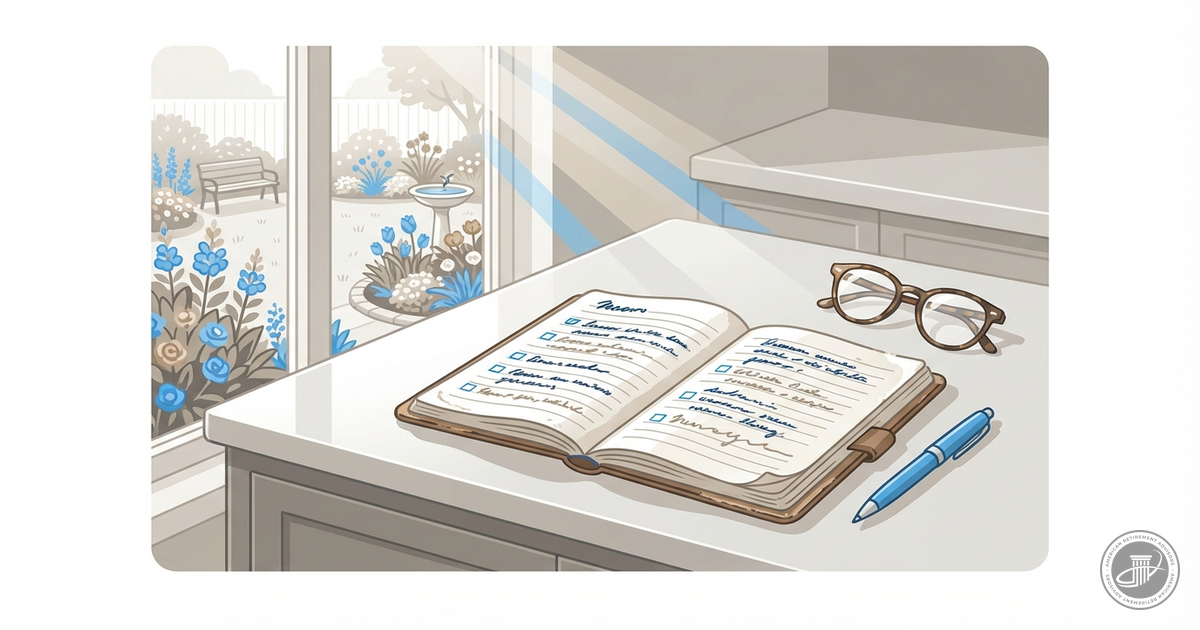
She was looking for a pen, or maybe a distraction, when she found a slim folder tucked beneath batteries and takeout menus. On the front, in Mom's familiar handwriting, were the words: Home Maintenance.
Inside was a detailed log. Years of notes. Service visits. Seasonal reminders. Contractor names. Entries written even after the stroke. Shakier, but still careful and detailed.
"Furnace serviced April - Tom says it's running strong."
"Sprinkler shut off before first freeze."
"Roof replaced 2018 - warranty attached."
"Leak under sink patched - check again in three months."
The room went quiet, and the tension softened. What once felt heavy became doable. They finally knew what to do next.
When the house was eventually sold, the records showed years of careful ownership. Linda couldn't be there to finish every task, but she left her children something better than answers. She left them care, foresight, and love.
A home maintenance record is one of the small but powerful pieces of an overall inheritance plan. Don't put it off...begin now. Your family will thank you later.
By American Retirement Advisors
American Retirement Advisors helps retirees and pre-retirees navigate Medicare, estate planning, and retirement income — so you can enjoy the retirement you've earned.
You Might Also Like
- Contingency Beneficiary: Because You Just Never Know
Estate Planning · American Retirement Advisors - Birdie & Bert's Nest Egg: Why Unmarried Couples Need More Than a Will
Estate Planning · American Retirement Advisors - Maggie & Jim's Rough Waters: Why Document Organization Can't Wait
Estate Planning · American Retirement Advisors
Easy Eddie's Take
This story about Linda touches on something I see all the time. Most people ask me about wills and trusts, but they forget about the everyday records that can save their families months of stress and thousands of dollars. A simple home maintenance log is actually one of the most practical gifts you can leave behind.
Here's what makes it so valuable: when families inherit a home, they typically need to make quick decisions about repairs, replacements, and selling price. Without maintenance records, they're flying blind. But with Linda's approach, her children knew exactly what systems were reliable, which contractors to call, and what warranties were still active. That information can easily add $10,000 to $20,000 to a home's value when it comes time to sell.
Think of it this way: keep a simple folder with contractor contact information, warranty documents, and notes about when major systems were last serviced. Include your HVAC company, plumber, electrician, and roofing contractor. Note when you replaced the water heater, updated the electrical panel, or serviced the furnace. It takes five minutes to update, but it's worth its weight in gold when your family needs it most.