Yes, sitting disease is a condition, according to American Senior Communities. (asccare.com)
Because of the excessive heat across the country, staying indoors with air-conditioning is more comfortable and helps prevent heat strokes. But tackling the heat this way can be a double-edged sword. You might sit more because of retirement, or even if we are still working, you can sit too long at desks and computers. With all the options on TV, we can easily sit for 3 to 4 hours in the evening.
Sitting can shorten your life and increases dementia risk, odds of diabetes, cancer risk, and deep vein thrombosis. Sitting contributes to weight gain, anxiety, back pain, muscle degeneration, varicose veins, and weakened bones.
Solutions to consider:
- Try standing while talking on the phone or even when you eat lunch.
- Go for a walk during lunch breaks, even if it's up and down the halls or stairway.
- Try walking in the mall where you can keep cool. If you are at a desk or computer, try standing or improvising with a high table.
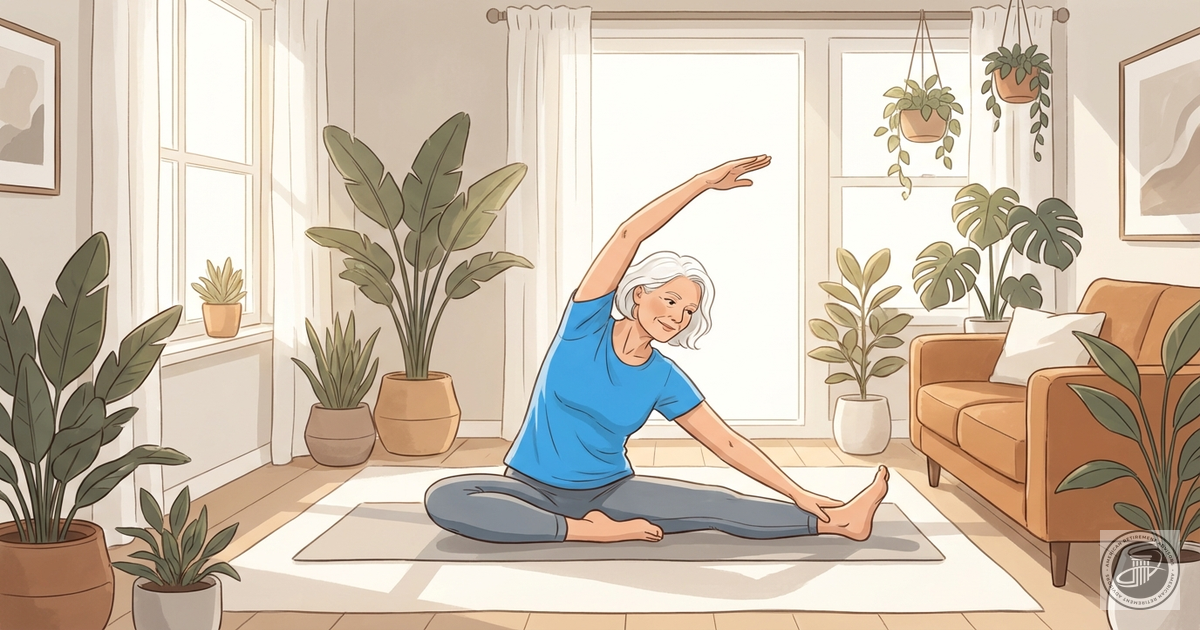
- Every 10-15 minutes, get up and move. Stretching greatly helps, and remember to rotate your shoulders backward. Yoga is a wonderful way to stretch, whether you must sit or you can stand.
Sitting disease can certainly be managed by adding some conscious movement periodically throughout the day.
By Sharon Groves
Sharon Groves covers health, wellness, and lifestyle topics for the ARA newsletter, helping readers make informed decisions about their wellbeing in retirement.
You Might Also Like
- Health & Grief: How Loss Affects Your Physical Well-Being
Lifestyle & Mindset · Sharon Groves - Time for the Thighmaster! Building Muscle Strength After 60
Lifestyle & Mindset · Sharon Groves - Why pH Balance Matters for Your Health
Lifestyle & Mindset · Sharon Groves
Easy Eddie's Take
Sharon's advice about breaking up sitting time is especially important for retirees. Here's the good news: the Centers for Disease Control and Prevention says that even 150 minutes of moderate activity per week can make a real difference. That's just 20-25 minutes a day, and it doesn't have to be all at once.
A lot of people ask me, "How much movement do I actually need to counter sitting all day?" The American Heart Association recommends getting up and moving for at least 2 minutes every 30 minutes. If you're watching your favorite shows in the evening, try standing during commercials or doing some gentle stretches between episodes.
For Arizona retirees dealing with extreme heat, indoor walking at places like Phoenix's Biltmore Fashion Park or Scottsdale Fashion Square can be perfect year-round exercise spots. Remember, small consistent movements throughout your day can help protect both your physical health and cognitive function as you age.