This article is not so much a health tip as it is a prompt about personal peace of mind and well-being. While gathering information from clients this past Annual Election Period, I was surprised to learn how many didn't know the names of their medications or the full name of their doctors.
Most of us believe we can always access our medical information when needed. Some folks try to keep this critical info in their heads. But what if you become incapacitated and can't speak for yourself? We may have stored this information in our cell phones with our emergency contacts. But what if your cell phone stops working or is damaged in an accident? How would emergency personnel know what medicines you are taking so there would be no interaction with treatment that may be necessary? How would anyone know whom to contact for you? You could be taken to a hospital, and your family would not know for hours or longer.
I am addressing this because a similar experience happened to me. So I have created a medical emergency list for my well-being and safety and my family's as well. You really should too. Below is how to start your list today!
Creating Your Emergency Medical List
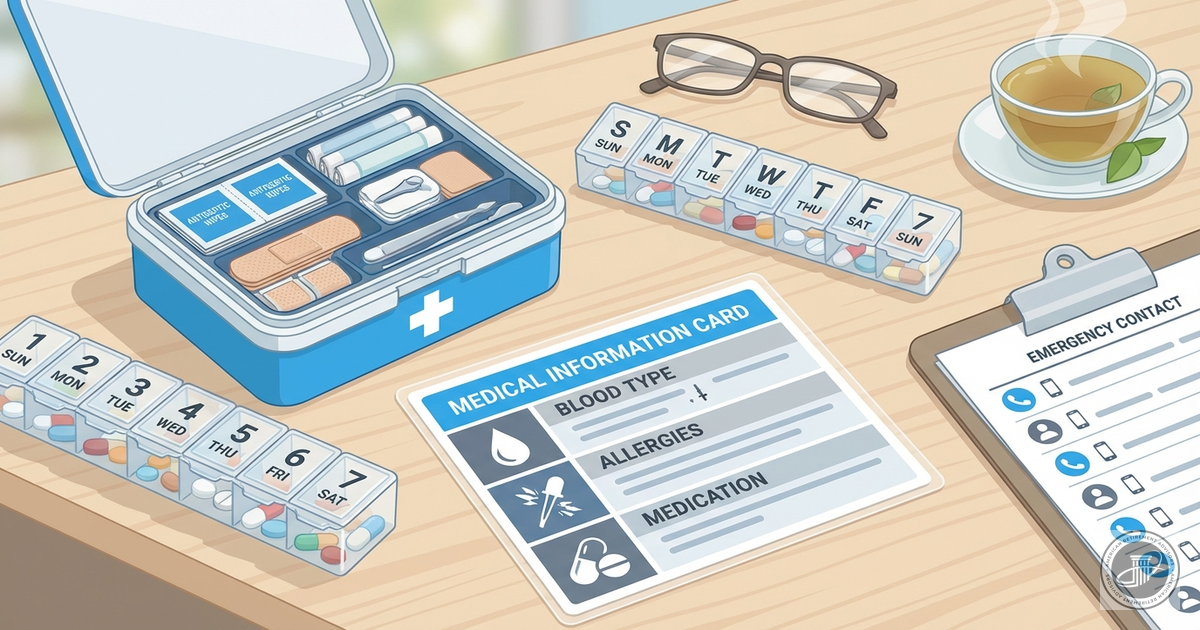
Create a list of your medications, dosages, and how many pills you take per day and your doctors' full names, addresses, phone numbers, and specialties. Provide who you want contacted in an emergency. Also, list any allergies. A list goes in my wallet, and another copy goes in the glove compartment of my car. At home, you can place a note on your refrigerator explaining that your medical information is in a plastic container in the freezer. Emergency teams will know to look there. I hope this never happens to you, but I wanted to pass on what I have tragically learned from experience. So, to make starting your list 123Easy, here is a link to an emergency medical form you can complete today!
Please take care of yourselves. We wish you a very happy, healthy, and safe New Year.
By Sharon Groves
Sharon Groves covers health, wellness, and lifestyle topics for the ARA newsletter, helping readers make informed decisions about their wellbeing in retirement.
You Might Also Like
- Saving Your Life: The Importance of Medical Information Preparedness
Medicare & Healthcare · Sharon Groves - Medicare Changes Ahead: Your Trusted Path Forward in 2026
Medicare & Healthcare · David P. Schaeffer - May is Stroke Awareness Month: Know the BE-FAST Warning Signs
Medicare & Healthcare · Sharon Groves
Easy Eddie's Take
Sharon brings up something that catches too many people off guard. Let me share what I see working best for emergency medical preparedness in 2026. Most people ask me, "What's the most important medical information to have ready?" Here's what emergency responders need first: current medications with exact dosages, drug allergies, emergency contacts with relationship and phone numbers, primary care physician and specialists, and any chronic conditions like diabetes or heart disease.
Here's what makes this even more important for folks on Medicare: if you're taken to an out-of-network hospital during an emergency, having your Medicare number, Medicare Advantage plan name, or Medicare Supplement insurance carrier information can save precious time. The same goes for your pharmacy information if you use mail-order prescriptions through CVS Caremark, Express Scripts, or OptumRx.
Think of it this way: that little card in your wallet could be the difference between getting the right care quickly and dangerous delays. And Sharon's freezer tip? That's been the standard for first responders for years. A little preparation today can make a big difference tomorrow.