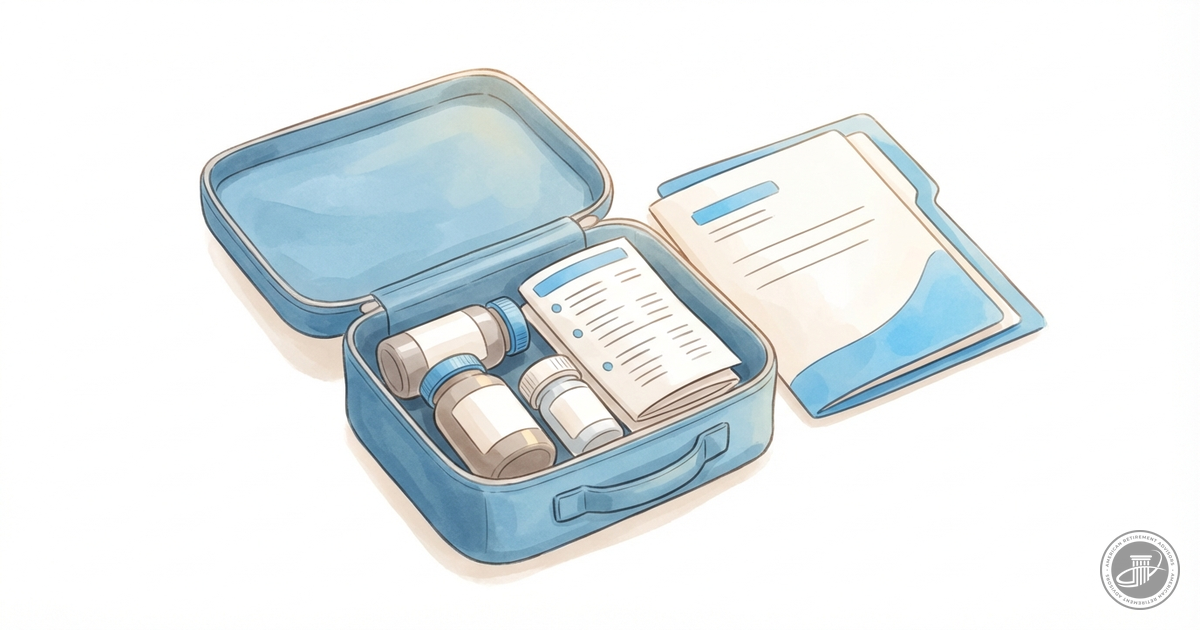
Emergencies often strike without warning whether it's a natural disaster, sudden evacuation, or an unexpected hospital visit. Having a grab-and-go kit ready can make all the difference.
A medication list is more than just a list of what pills you take. It provides critical information for doctors when time is short and clarity is vital. Your list should include the name of each med, the dosage, frequency, prescribing doctor and any known allergies. If you use inhalers, insulins, or over the counter meds regularly, those should be listed as well.
In an emergency, stress and confusion can make it hard to recall exact details about your medications. Having a written or printed list ensures that doctors and pharmacists can provide the right treatment without delay or errors.
Preparing a list of your medicines only takes a few minutes, yet it can save precious time and even save lives in an emergency. This is a powerful tool in your grab-and-go kit, that can give you and your loved ones greater safety, confidence and clarity.
While we're talking about emergencies, it's not only about health and safety of listing your medicines, it's also about protecting your legacy and ensuring your loved ones have access to the documents they'll need. Ask us about our Beneficiary Box™.
This box keeps everything safe, accessible and ready when it's needed most.
By Sharon Groves
Sharon Groves covers health, wellness, and lifestyle topics for the ARA newsletter, helping readers make informed decisions about their wellbeing in retirement.
You Might Also Like
- Roll With the Punches: Life's Unexpected Moments
Lifestyle & Mindset · David S. Edge - Scared! How Facing Fear Makes You Who You Are
Lifestyle & Mindset · David S. Edge - Spring Cleaning Tips to Make It Fun and Organized
Lifestyle & Mindset · American Retirement Advisors
Easy Eddie's Take
Sharon's absolutely right about that medication list. Let's take a look at what else should go in your emergency health kit. Most people are surprised when they learn they should also include copies of their Medicare card, Medicare Supplement or Medicare Advantage plan ID, and any Medicare Part D prescription drug plan information. If you use Veterans Affairs healthcare or AHCCCS (Arizona's Medicaid program), those cards need to be in there too.
Here's something that comes up all the time: people forget to include their emergency contacts and healthcare directives. Your Power of Attorney for Healthcare and Living Will should have copies in that grab-and-go kit. Think of it this way - in an emergency, first responders and hospital staff need to know not just what medications you take, but who can make medical decisions if you can't and what your wishes are for care.
One more thing to consider - if you have multiple doctors, include their contact information and what each one treats you for. Your cardiologist, endocrinologist, or oncologist might have specific instructions that could be critical in an emergency. A little preparation today can make a big difference when every minute counts.