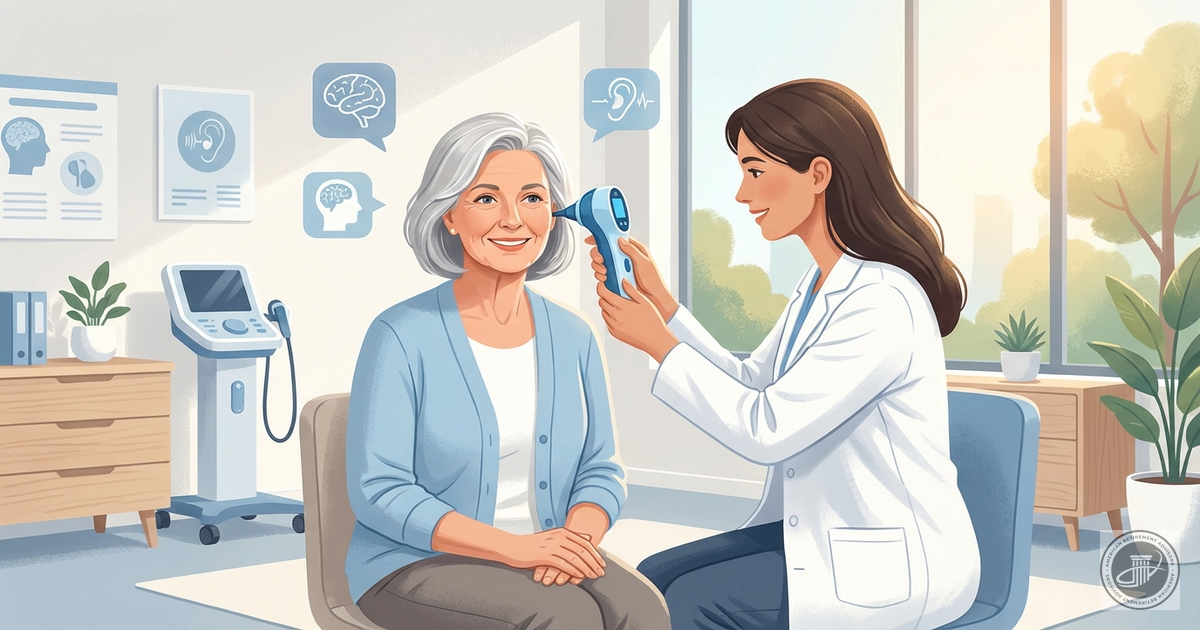
Scientists are finding more evidence that hearing loss can make you more likely to experience cognitive decline. However, that does not mean that people with hearing loss are guaranteed to have dementia.
Cognitive overload fatigues the brain and can accelerate brain atrophy or shrinkage. How does this happen? As hearing becomes harder, your brain works harder to register and comprehend what you're trying to listen to. This process, in turn, steals the energy needed for memory and thinking.
Dr. Frank Lin, MD, Ph.D. of Johns Hopkins University, says three things may be involved:
- People with hearing loss tend to feel isolated since it's harder to join conversations or understand. This tends to make a person feel lonely.
- Your brain works harder to process sounds. Again, this steals the energy needed for thinking.
- If ears no longer pick up many sounds, your hearing nerves will send fewer signals to your brain. As such, the brain can decline.
I have noticed a little hearing loss as time goes on myself. It seems like I must increase the volume for any new TV programs I watch... but I am not adjusting the volume for earlier TV programs. Is it me or the networks I am watching?
This article stresses the importance of having our hearing checked annually to determine the rate of hearing loss occurring. Many Medicare Supplement plans offer discounts on hearing aids, as do the Medicare Advantage HMO & PPO plans. Please talk to your doctor about your hearing health.
By Sharon Groves
Sharon Groves covers health, wellness, and lifestyle topics for the ARA newsletter, helping readers make informed decisions about their wellbeing in retirement.
You Might Also Like
- Don't Ignore Hearing Loss... Here's Why It Costs More Than You Think
Medicare & Healthcare · Tammy Semler - The Hidden Link Between Hearing Loss and Dementia
Medicare & Healthcare · Sharon Groves - Heart Risks You Haven't Heard About: Hidden Cardiovascular Dangers for Retirees
Medicare & Healthcare · Sharon Groves
Easy Eddie's Take
Sharon brings up something I hear from clients all the time - that TV volume mystery is actually pretty common! Here's what's helpful to know: starting in 2024, Medicare Advantage plans are required to offer some hearing aid benefits, and many Medicare Supplement insurance plans now include hearing aid discounts through companies like TruHearing or NationsHearing. The good news is that hearing aids have gotten much better and more affordable in recent years.
A lot of people ask me, "When should I get my hearing checked if I'm on Medicare?" Medicare Part B covers diagnostic hearing tests when your doctor orders them, though routine hearing screenings aren't covered. If you're in a Medicare Advantage plan, many now include annual hearing screenings as an extra benefit. The key is catching hearing changes early - research from Johns Hopkins shows that even mild hearing loss can impact brain health over time.
Think of it this way: your brain is like a smartphone battery, and when it has to work extra hard to process sound, it drains faster. Taking care of your hearing is really taking care of your thinking. A simple conversation with your primary care doctor can get the ball rolling, and that's actually easier than it sounds.