
After our newsletter went out, a lot of you downloaded my dad's newest guide, The Hidden History of the Rule That Taxes Your Retirement. It's about required minimum distributions, the yearly withdrawals the government makes you take from your retirement accounts.
Clearly it struck a nerve. So this week, we're walking through it one piece a day. Today is the starting point: what an RMD actually is, and why it exists at all.
What is a required minimum distribution?
At a certain age, the government stops waiting. You have to start taking money out of your Traditional IRA and most workplace plans every year, whether you need it or not, and pay income tax on what comes out. That yearly minimum is a required minimum distribution, or RMD.
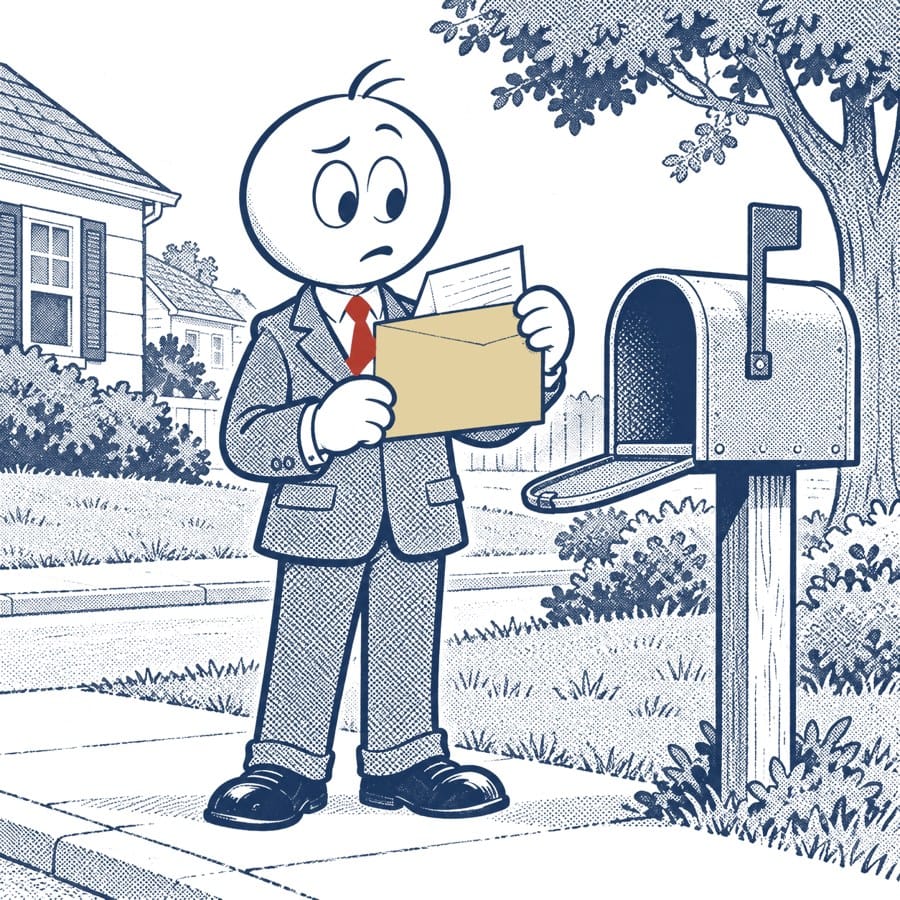
Most people meet it in the mail. By January 31, your IRA custodian is required to tell you that an RMD is due for the year, and usually how much. For people who have spent decades saving and never touching the account, that notice can be a surprise.
Why does the rule exist?
Every dollar in a Traditional IRA or 401(k) went in before taxes. You took a deduction on the way in, the money grew for decades, and you haven't paid tax on any of it yet.
That was the deal. The government let you wait. It didn't agree to wait forever.
Putting off a tax is not the same as avoiding it. As David puts it in the guide, the RMD isn't a penalty. It's the back half of a deal you made a long time ago and may have forgotten about.
Where did it come from?
The Individual Retirement Account was created in 1974 by ERISA, and from the start the tax break came with a future obligation to take the money out, beginning at age 70½. The Tax Reform Act of 1986 applied uniform minimum-distribution rules across workplace plans such as 401(k)s and 403(b)s.
The idea has stayed the same ever since: the money may grow untaxed, but not indefinitely.
Why does it matter so much?
One thing hasn't changed in fifty years. RMDs are taxed as ordinary income, at the same rates as a paycheck. And income moves other numbers: your tax bracket, your Medicare premiums, how much of your Social Security is taxed, even what your children owe when they inherit the account.
The rule wasn't built to help you. It was built to make sure taxes put off for decades eventually get paid. Knowing how it works is what lets you plan around it instead of reacting to it.
What's coming this week?
- Tuesday: When do your RMDs start? The age keeps climbing, and your birth year decides it.
- Wednesday: How much do you have to take out? The math is one division.
- Thursday: What if you miss one? The penalty is smaller than it used to be, and it can be waived.
- Friday: Can an RMD raise your Medicare premiums?
- Saturday: Is there a smarter way to give to charity?
- Sunday: What happens when your kids inherit your IRA?
Want the whole thing now? Get David's guide. It takes about ten minutes to read. And if you'd like to see how RMDs fit into your own plan, alongside your tax professional, you can begin the conversation here.
This is Part 1 of The Rule That Taxes Your Retirement, a seven-part series from David Schaeffer's guide. For education only. Not tax, legal or investment advice.
Disclaimer: The information in this article is for educational purposes only and does not constitute tax, legal, or investment advice. Tax laws change frequently, and individual circumstances vary. American Retirement Advisors does not provide tax or legal services. Before making any tax-related decisions, consult a qualified CPA, tax attorney, or financial planner who can evaluate your specific situation.