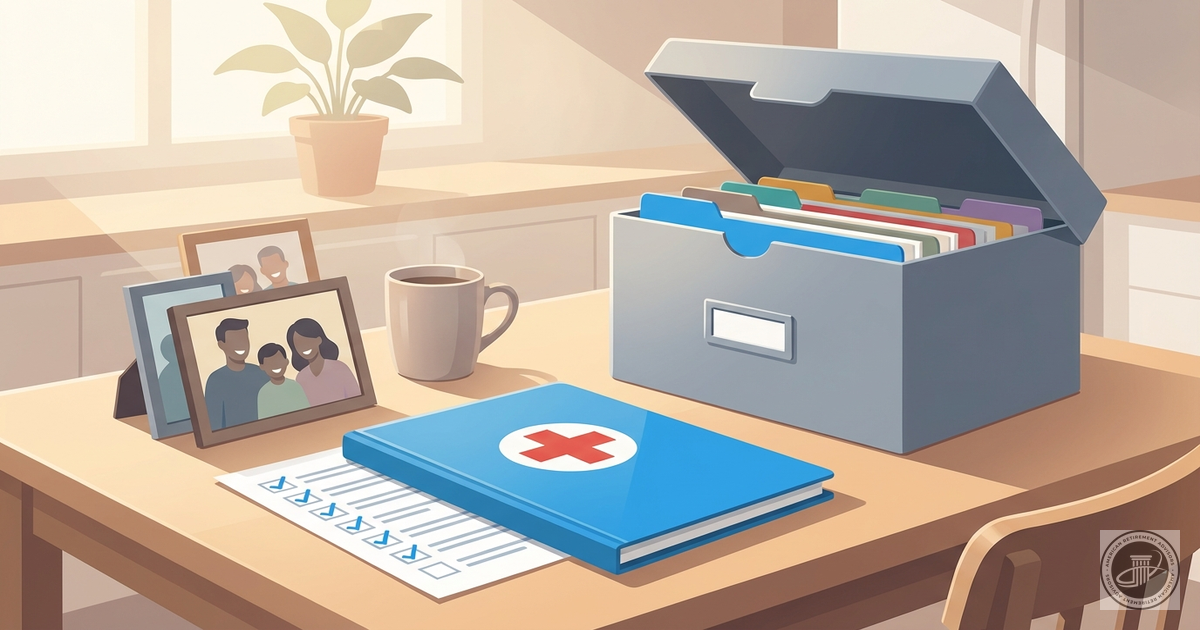
Bob was finally home, recovering after a broken leg. With daily rehab visits and his family keeping a close eye on him, things seemed steady again. His wife Maggie had her routine, their son checked in often, and even the grandkids tiptoed a little quieter around Grandpa's recliner.
But as anyone who's walked this road knows, life doesn't always give you a warning.
One evening, just as the family was settling in for the night, Bob started sweating and struggling to breathe. Maggie's heart jumped into her throat. She called 911 while their son tried to keep Bob calm and comfortable.
Within minutes, the EMTs arrived. As they prepared Bob for transport, one of them turned to the family and asked the question that stopped everyone cold:
"Does Bob have any medical directives? If his heart stops, should we begin resuscitation?" The room went silent.
When Important Documents Go Missing
They all knew Bob had signed a Do Not Resuscitate (DNR) order. He'd talked about it more than once. But where was it? The file cabinet? The desk drawer? The safe? No one could remember.
Thankfully, Bob made it through the emergency and returned home once again. But the incident shook the family. Maggie kept replaying that moment in her mind.
A few days later, while chatting with her sister Carol, Maggie mentioned what had happened. Carol told her about something her neighbor used. It is a simple but powerful tool called a Beneficiary Box.™ That conversation stuck with Maggie.
Getting Organized
The following weekend, Bob and Maggie sat down together at the kitchen table. They gathered Bob's DNR, his power of attorney, copies of insurance cards, medication lists, and other key paperwork. They had procured a Beneficiary Box™ of their own and began to fill it.
A short time later… Maggie called a family meeting. She showed everyone exactly where the Beneficiary Box™ was kept and explained what was inside. They even put a note inside the kitchen cabinet and programmed a reminder into their phones so everyone would remember.
Before long, Maggie added her own documents to the box. What started as a frightening moment turned into something empowering. Now, instead of uncertainty, the family had clarity. Instead of scrambling, they had a plan.
The Beneficiary Box™ didn't just organize paperwork, it gave Bob and his family what they needed most. If another emergency ever happens, they won't lose precious time searching through drawers. They'll know exactly where everything is, and they'll be able to focus on what truly matters… being there for each other.
By American Retirement Advisors
American Retirement Advisors helps retirees and pre-retirees navigate Medicare, estate planning, and retirement income — so you can enjoy the retirement you've earned.
You Might Also Like
- Slip, Sun, and a Safety Net: How Marie's 'Just in Case' Box Saved the Day
Estate Planning · Loraleigh Drummond - Some Things Are Certain: Preparing Your Affairs Before Death
Estate Planning · David P. Schaeffer - The Unexpected: We Didn't Know Where to Start After Dad's Passing
Estate Planning · Loraleigh Drummond
Easy Eddie's Take
Bob and Maggie's story touches on something really important that catches a lot of families off guard. Let's take a look at what you actually need to have ready. Beyond a DNR order, there are several advance directives you might want to consider: a living will that spells out your wishes for life-sustaining treatment, a healthcare power of attorney that names someone to make medical decisions if you can't, and a POLST form (Physician Orders for Life-Sustaining Treatment) that's recognized by emergency responders across all 50 states.
A lot of people ask me, "Where should I keep these documents so they're actually useful in an emergency?" Here's the good news: you don't need an expensive system. Keep originals in a fireproof safe or safety deposit box, but make sure copies are easily accessible at home. Many folks are surprised to learn that you can also register your advance directives with your state's advance directive registry, and some hospitals now accept electronic copies stored on your smartphone.
The key is making sure the right people know where to find everything when seconds count. A little preparation today can make all the difference when your family needs it most.