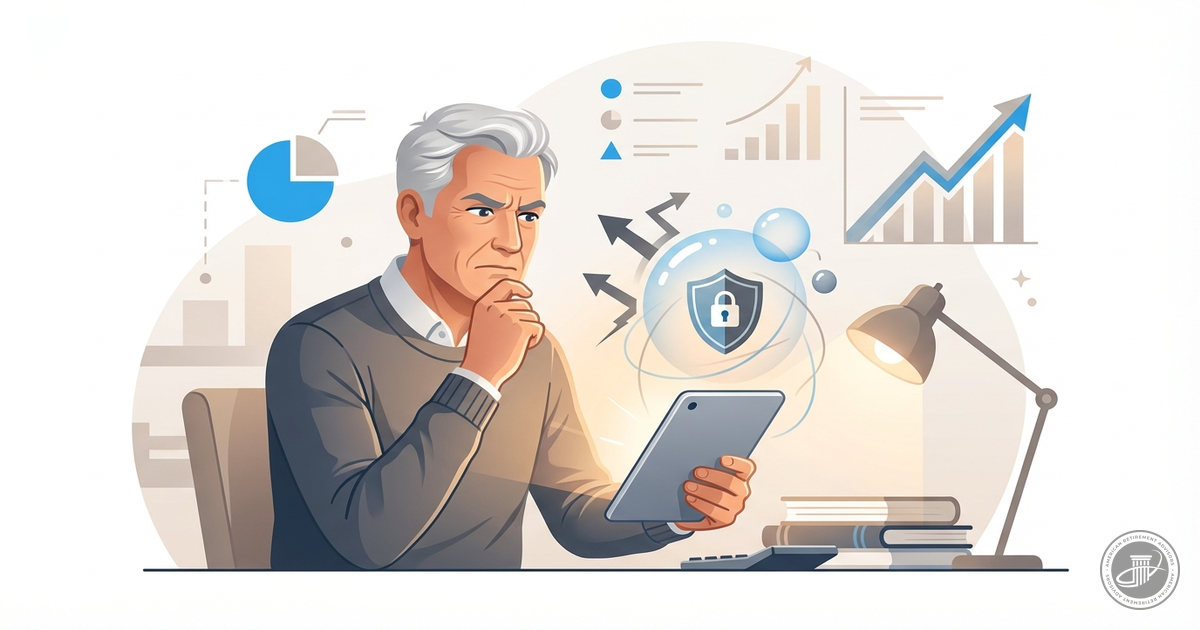
Investment Scams: "They guaranteed a quick return." Guess what? There's no such thing. If someone tells you an investment is guaranteed to make money quickly, grab your wallet and run in the other direction. That's not investing—it's scamming. Investment scams often begin with a friendly phone call, email, or social media message. The person on the other end may sound like an expert and might even throw around financial jargon to sound legitimate. But here's the truth: no legitimate investment can guarantee fast returns with zero risk. The market just doesn't work that way. What makes these scams particularly dangerous is their high level of conviction. Scammers may impersonate trusted financial professionals, use fake websites, and send you "performance reports" that look real. Some will even offer to double your money in days or weeks—something no licensed advisor would ever promise.
How to protect yourself: Before handing over a single cent, do your homework. Look up the investment firm on FINRA's BrokerCheck (brokercheck.finra.org) or contact a Certified Financial Planner®. Be wary of "limited time" offers or anyone who pressures you to act fast. If it sounds too good to be true, it probably is.
Social Media and Tech Support Tricks
Social Media Scams: "It seemed like such a great deal." Who doesn't love a great deal? But these days, that $49 luxury watch or "free trial" weight loss tea advertised on social media might come with more strings than a spider web. Scammers love social media because it's fast, unregulated, and full of trusting people ready to click. Whether it's a fake online store, a misleading giveaway, or a celebrity endorsement that seems fishy—these scams can drain your wallet or steal your identity.
How to protect yourself: Before you buy anything you see on social media, research the company name, read reviews (real ones—not just the ones on their website), and check for a return policy. Never send money through untraceable methods, such as gift cards or wire transfers. And remember, Spot (my dog) says, "If a company doesn't have a phone number, that's red flag bigger than my favorite chew toy."
Tech Support Scams: "They needed access to 'fix' my computer." How do "they" know it's broken? You're calmly sipping coffee, and a pop-up suddenly screams that your computer is infected! A friendly voice from "tech support" calls and says they need remote access to help. STOP RIGHT THERE. Real companies like Microsoft, Apple, or your bank will never call you out of the blue asking for remote access or personal information. These scams trick you into giving away control of your device—and once in, they can steal passwords, install malware, or lock you out.
How to protect yourself: If you receive an unsolicited call or pop-up claiming to be from tech support, hang up or close the window immediately. Never give out codes, passwords, or account information. If you think your device is infected, call a trusted local technician.
If you like action movies and want to see what I'm talking about, watch, The Beekeeper.
Final Thought on Scams... Scammers rely on urgency, fear, or excitement to get your money. Slow down, breathe, and ask questions. And remember—your gut is often smarter than your browser.
Think you might be getting tricked? Give our office a call before you give out any of your personal information related to Medicare or investment accounts. We can guide you on where to go to check the source before you proceed.
By Marc Frye
Marc Frye provides financial analysis and market commentary for the ARA newsletter, translating complex economic trends into actionable insights for retirees.
You Might Also Like
- Protecting Seniors from Financial Scams: 6 Critical Prevention Steps
Retirement Planning · Marc Frye - Financial Tip: Smart Pension Planning Strategies for Better Retirement Income
Retirement Planning · Marc Frye - HECM vs HELOC: Which Home Equity Option Makes More Sense?
Retirement Planning · Marc Frye
Easy Eddie's Take
Marc's advice hits home because retirees are prime targets for these scams. Most people are surprised when they learn that adults over 60 lose more than $3 billion annually to fraud, according to the Federal Trade Commission. Here's what I see happening: scammers specifically target retirement accounts like 401(k)s and IRAs because they know that's where the money is. They'll call claiming to help you with required minimum distributions or promising to help you avoid RMD taxes with special "government-approved" investments.
One question that comes up all the time is, "How can I tell if someone calling about my Medicare plan is legitimate?" The Centers for Medicare & Medicaid Services will never call you asking for your Medicare number or bank information. Same goes for Social Security Administration representatives. If someone calls claiming to be from these agencies and asks for personal details, hang up and call the official number yourself.
Think of it this way: legitimate financial advisors and government agencies follow strict rules about how they contact you. When in doubt, slow down and verify independently. A little caution today can save you thousands tomorrow.